Прозорість і довіра: бренд Plus Size, який можна «помацати»
Прозорість і довіра: бренд Plus Size, який можна «помацати»
Бренд, якому довіряють у Plus Size, — це не лише гарні фото. Це зрозуміла інформація про посадку, тканини й сервіс, яку клієнтка може перевірити ще до замовлення. Такий підхід зменшує тривогу під час онлайн-покупки та формує звичку повертатися.
Чому прозорість — головна валюта Plus Size бренду
У Plus Size ризик помилитися з посадкою відчувається гостріше: одне маркування XL або 2XL не пояснює довжину, об’єм і свободу руху. Тому важливо не обіцяти «ідеально для всіх», а показувати факти: як створюється річ, з чого вона пошита, кому й за якими параметрами вона пасує.
Відкритий бренд чесно називає склад тканини, особливості догляду, країну чи формат виробництва, а також не маскує різницю між моделями. Для початку клієнтка може переглянути каталог Plus Size і звірити описи з тим, що бачить на фото.
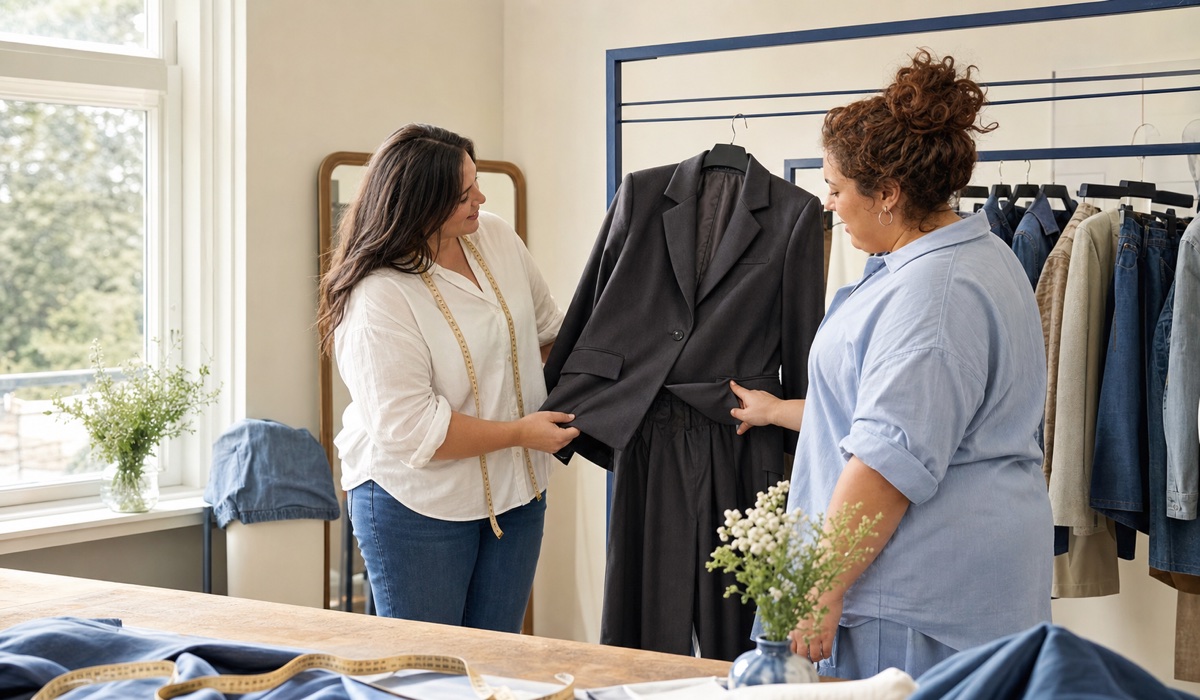
Фото 1. Реальні процеси й фігури.
Як зробити бренд «відчутним» через контент
Показуйте людей, а не безособові обіцянки
Сторінка «Про нас» має відповідати на прості запитання: хто створює колекції, чому команда працює з Plus Size, як тестує одяг і що робить після невдалого фідбеку. Додавайте короткі історії технологині, стилістки чи менеджерки — без пафосу, але з конкретикою.
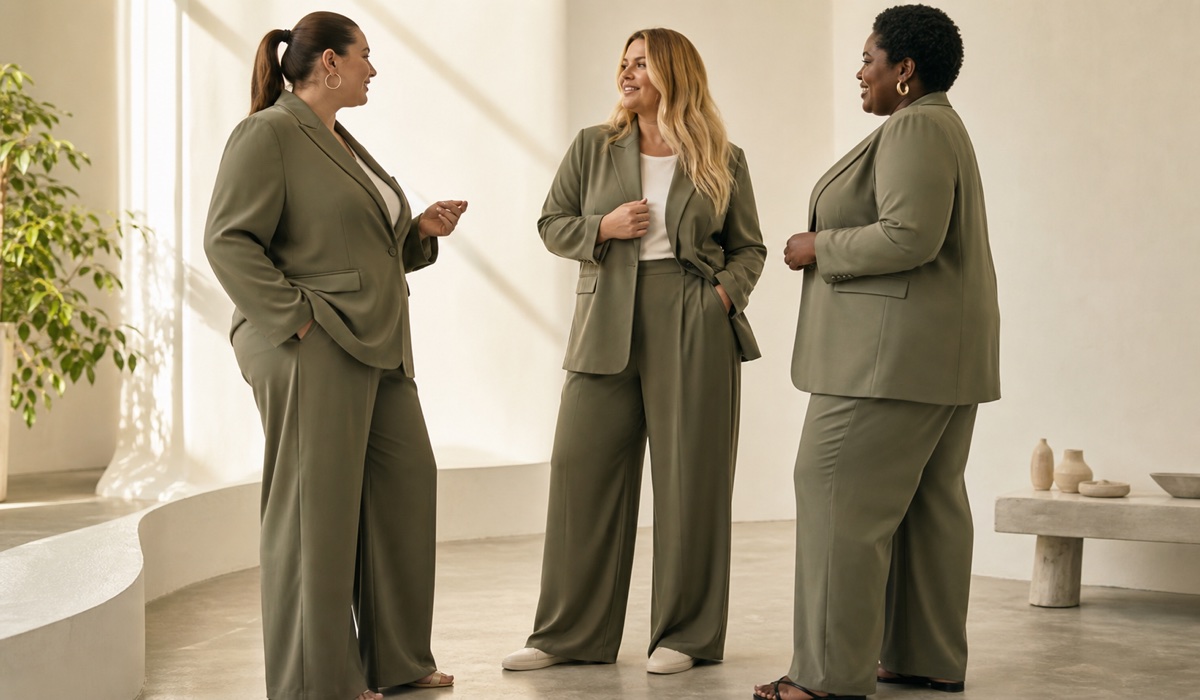
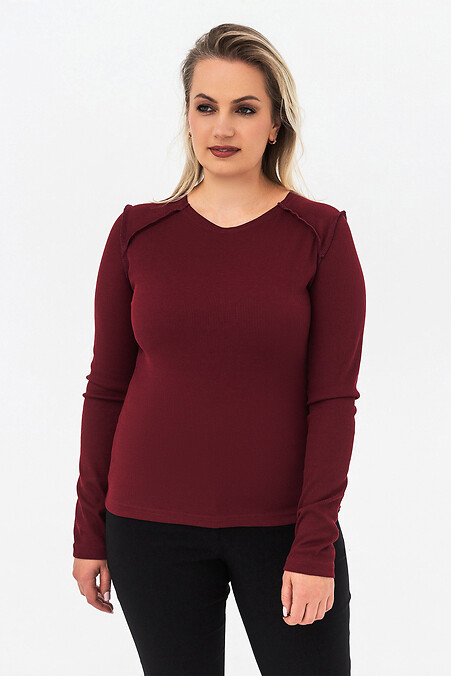
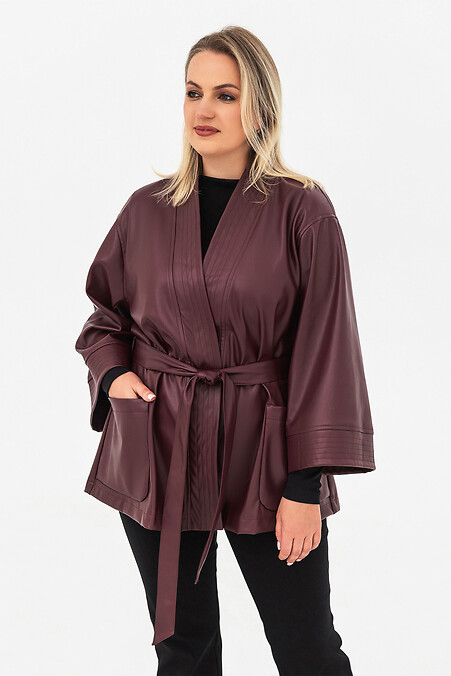
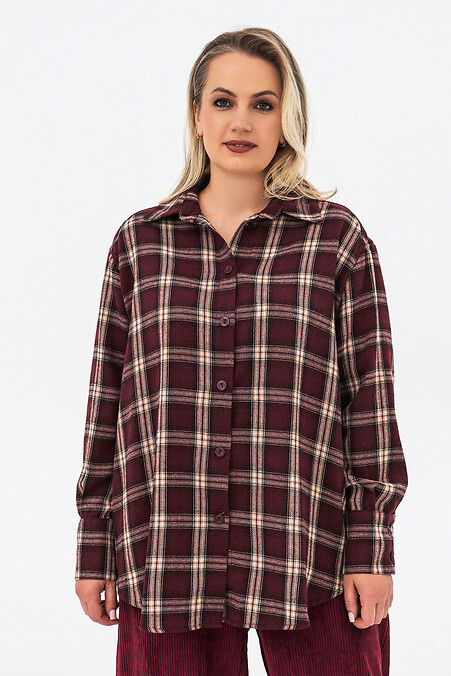
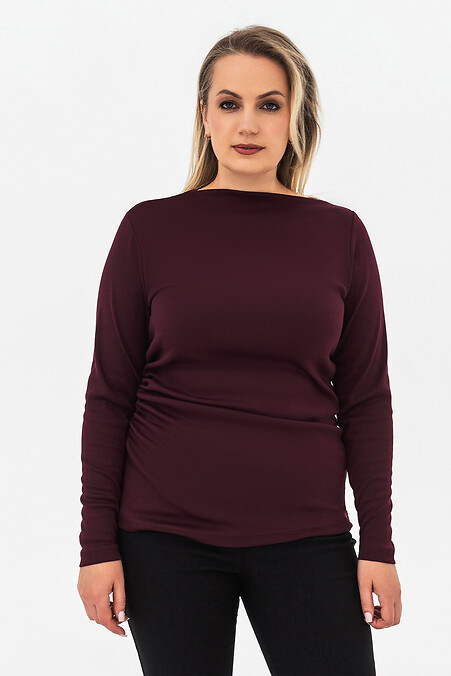
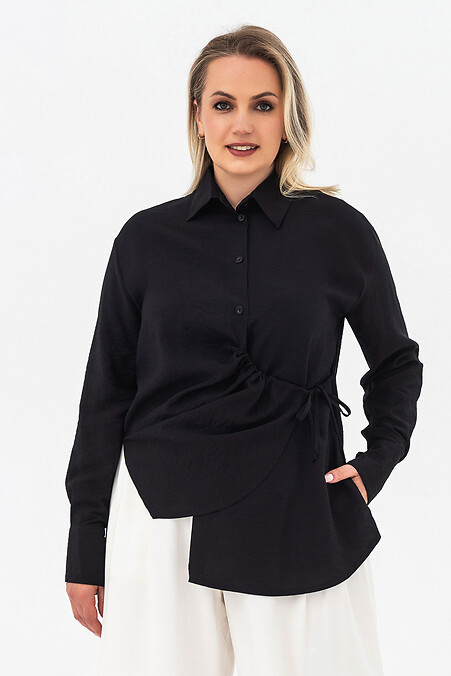
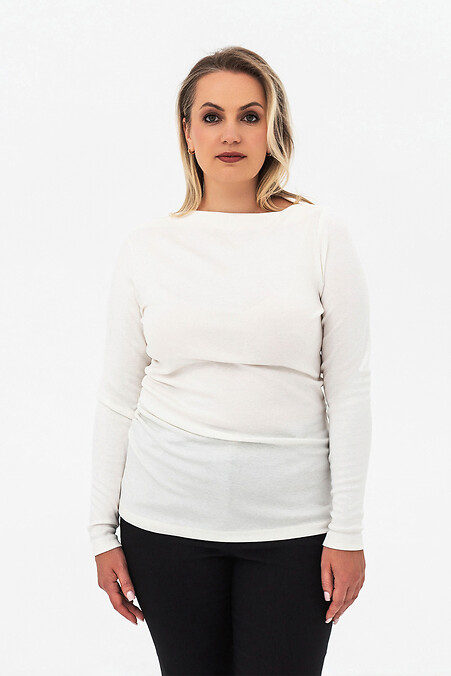
Реальні фото та відео допомагають оцінити, як річ поводиться сидячи, у русі й за різного світла. Корисно показати один костюм Plus Size на кількох типах фігури, зазначивши зріст, основні параметри та розмір на моделі. Тему чесної візуальної подачі детальніше розкрито в матеріалі про реальні Plus Size моделі.
Фото 2. Один комплект — різні фігури.
Прозорість у замірах, лекалах і посадці
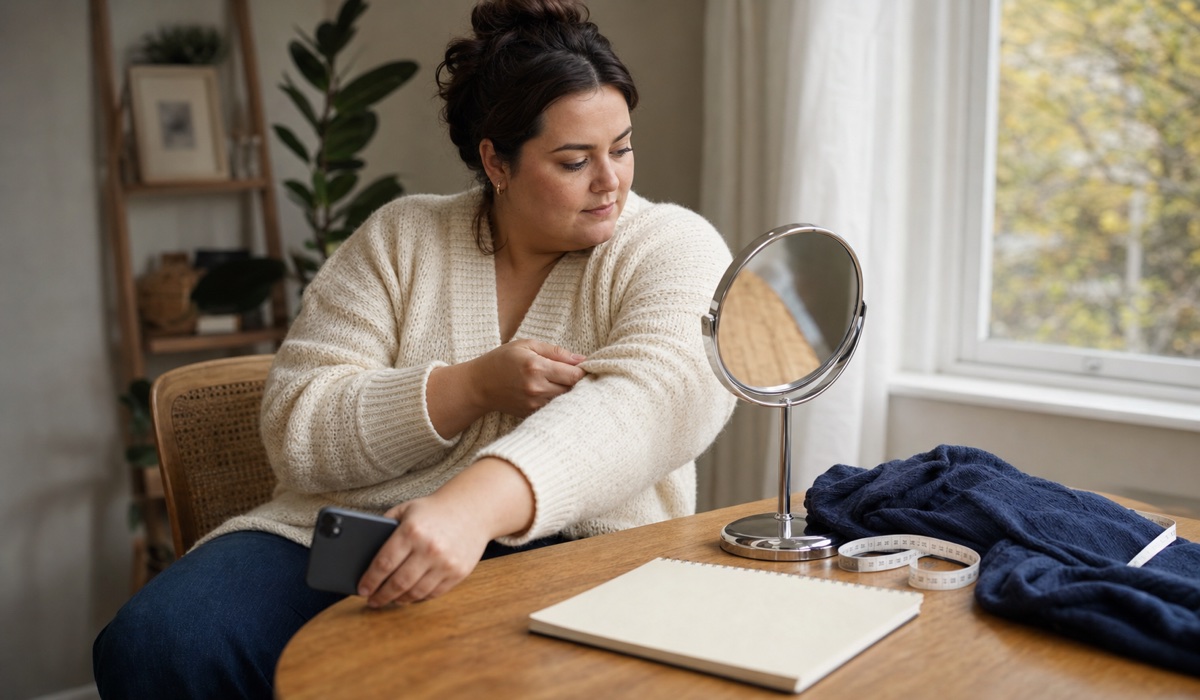
Клієнтці потрібна не тільки таблиця розмірів, а й конкретні заміри виробу: обхват грудей, талії та стегон, довжина, ширина плеча, довжина рукава й ступінь розтяжності. Додайте просте пояснення, як зняти власні мірки та яке «поле комфорту» закласти для вільної посадки.
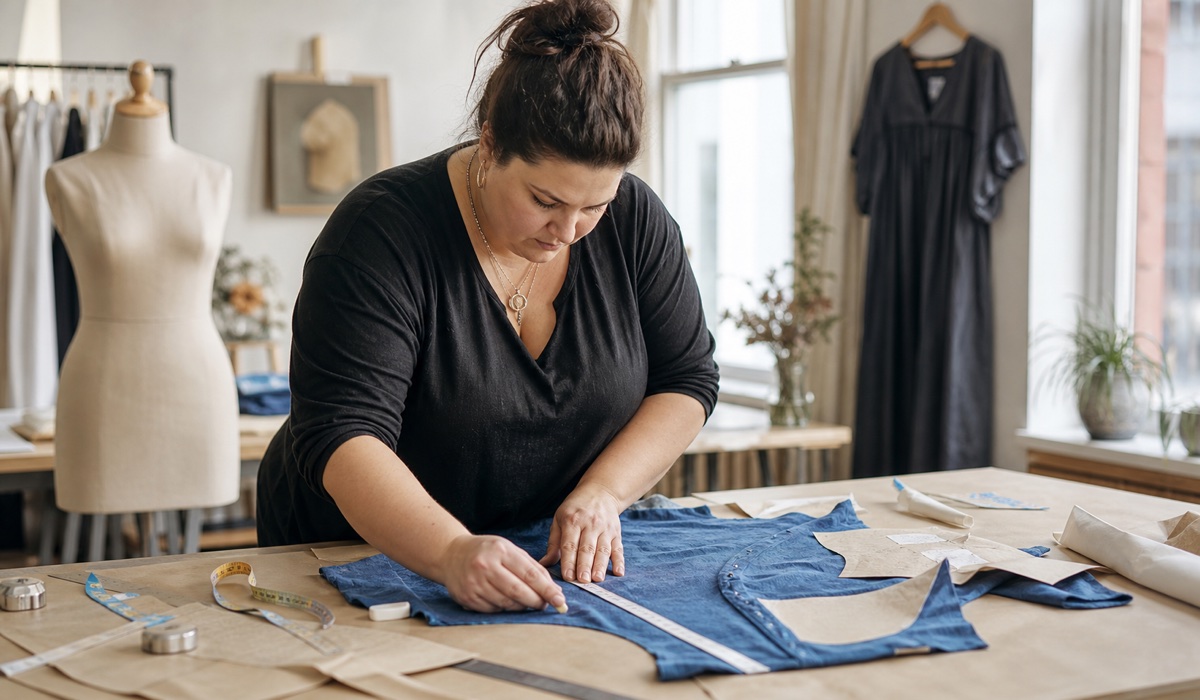
Лекала. Пояснюйте, чи створена модель на реальних Plus Size фігурах, а не механічно збільшена зі стандартного розміру.
Посадка. Називайте зони, де річ має прилягати, а де залишати повітря: у животі, стегнах, плечах і рукавах.
Матеріали. Вказуйте склад, щільність, підкладку та поведінку тканини після прання, не ховаючись за словами «преміальна» чи «універсальна».
Бренд, який можна «помацати», не боїться конструктивної критики. Не варто видаляти негативний відгук лише тому, що він незручний. Набагато переконливіше показати відповідь: що саме команда перевірила, чи змінила тканину, лекала або довжину рукава, і як це вплинуло на наступну партію.
Заохочуйте відгуки з параметрами, взятим розміром і фото без обов’язкової ретуші. Це допомагає новим покупчиням зрозуміти посадку краще за абстрактну оцінку. Коли вибираєте сезонні речі, порівнюйте також готові поєднання в лукбуку та капсульну логіку з матеріалу про сезонний гардероб Plus Size.
Фото 4. Чесний зворотний зв’язок.
Що впровадити в магазині вже зараз
Оновіть картки товарів: додайте заміри виробу, склад, догляд, параметри моделі та фото в русі.
Перезніміть ключові моделі на різних фігурах, залишивши природну фактуру тканини й силуету.
Створіть серію матеріалів про лекала, тестування речей і зміни після відгуків.
Покажіть не тільки тренд, а й реальний вибір: наприклад, як одна річ по-різному сідає на різних фігурах — це пояснює відповідна стаття GARNE.
Прозорість не вимагає образу бездоганного бренду. Вона означає повагу до часу й досвіду клієнтки: показати реальність, пояснити вибір і бути поруч, коли потрібне уточнення. Саме так формуються довіра, повторні покупки й спільнота.
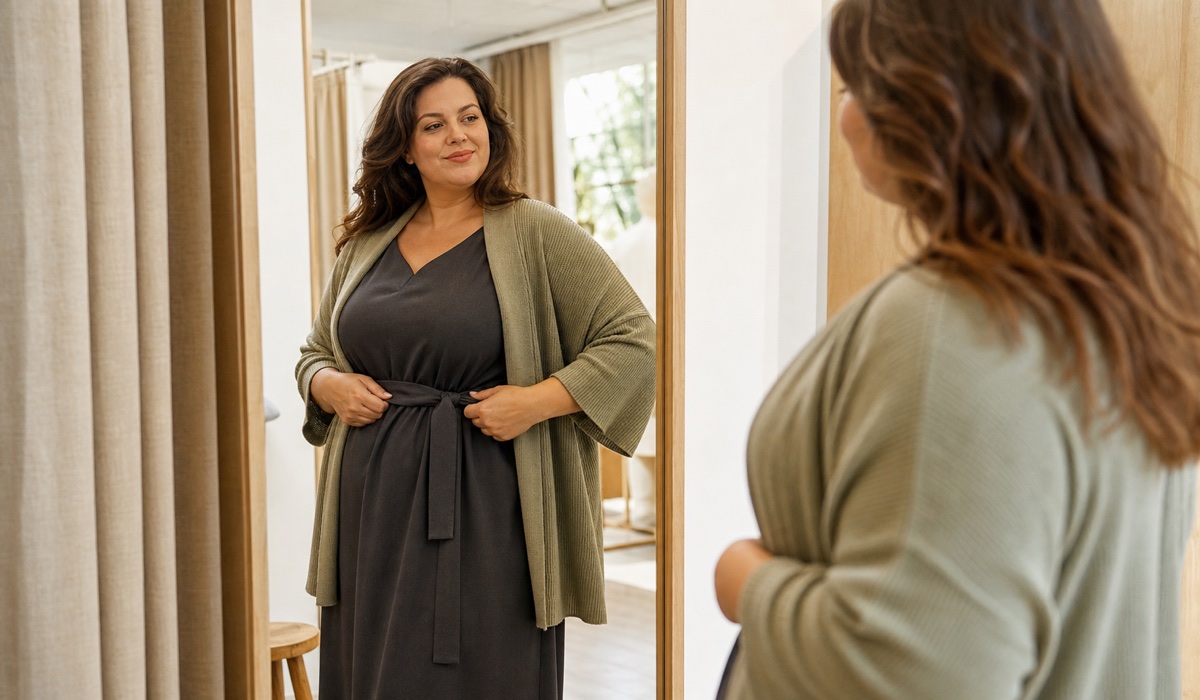
Фото 5. Впевнена примірка.
Поширені запитання
Що таке прозорість бренду в моді Plus Size?
Це відкритість щодо виробництва, складу, лекал, замірів, посадки та роботи з відгуками, яку покупчиня може перевірити до замовлення.
Які дані в картці товару найважливіші?
Заміри виробу, склад і властивості тканини, параметри моделі, розмір на ній, фото в русі та зрозумілі умови доставки й повернення.
Чи варто публікувати негативні відгуки?
Так, якщо вони конструктивні. Відповідь бренду та видимі зміни після фідбеку підсилюють довіру краще, ніж суцільні п’ять зірок.