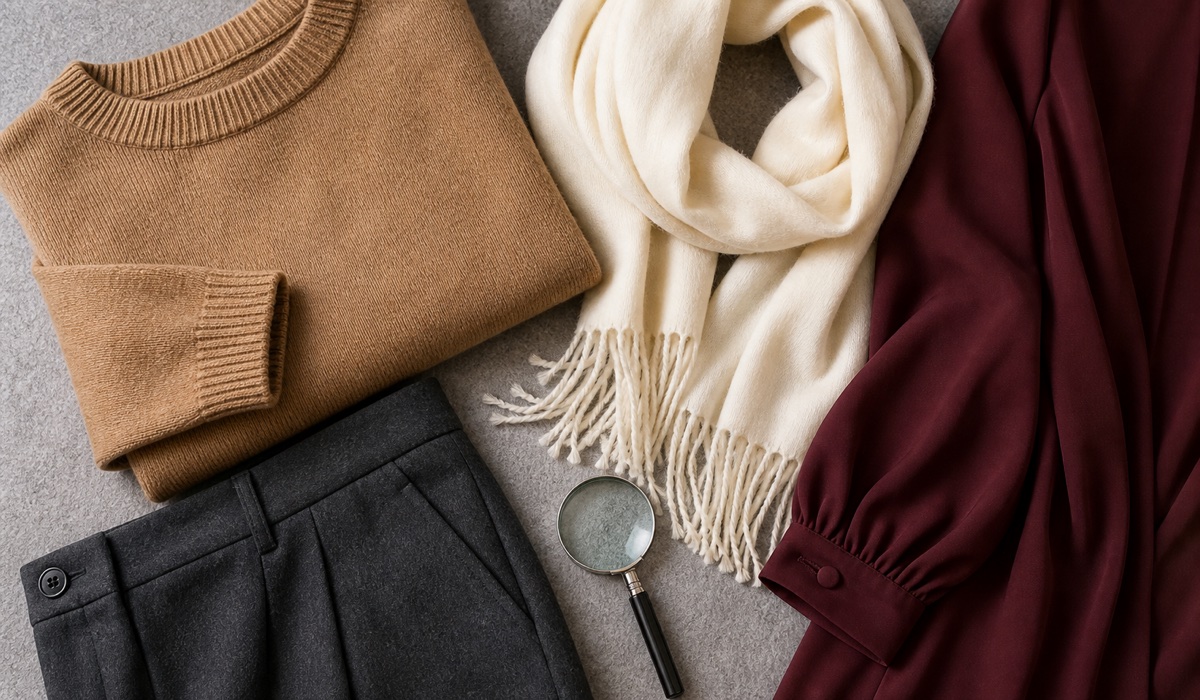
Wolle und Kaschmir sind in diesem Quartett die mit Abstand besten Wärmespeicher. Doch die Faserbezeichnung ist nur der Anfang: Auch die Stoffdichte, die Garnstärke, die Strickart, das Futter und die Passform beeinflussen den Tragekomfort. Für eine Garderobe in großen Größen ist die richtige Balance wichtig: Wärme ohne zu viel Volumen, ein angenehmes Tragegefühl und eine schöne Silhouette.
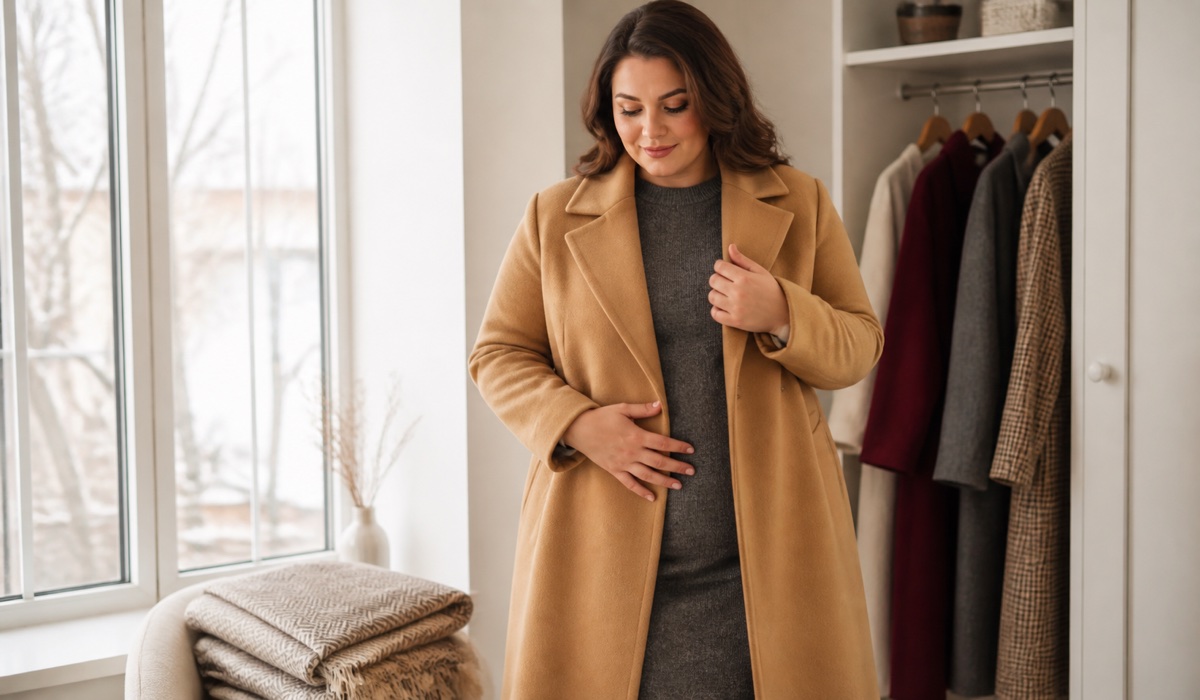
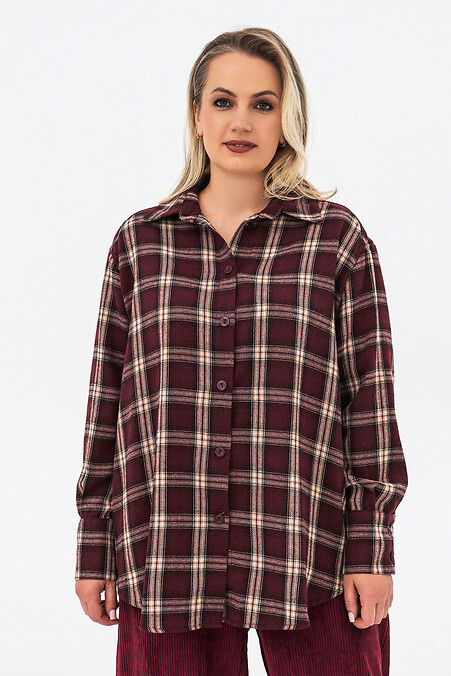
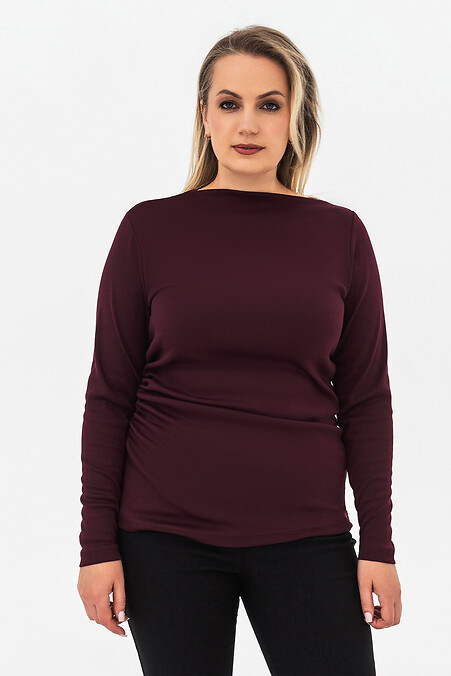
Foto 1. Wolle: Ein dicker Mantel hält dank der Struktur des Stoffes warm, nicht nur aufgrund seiner Zusammensetzung.
Für den Alltag empfehlen wir Pullover und Strickwaren in großen Größen: Hier spüren Sie am deutlichsten den Unterschied zwischen dünnen, lockeren und dichten Stoffen.
Welche Stoffe halten im Winter wirklich warm?
Wolle schließt Luft zwischen den Fasern ein und isoliert daher gut. Kaschmir ist eine feinere, weichere Wollfaser, die viel Wärme spendet, ohne viel zu wiegen. Viskose isoliert nicht von selbst im Winter, verleiht Mischgeweben aber Weichheit, Flexibilität und einen schönen Fall. Dichte: Ein dichtes Gewebe isoliert besser als ein dünnes, selbst bei gleicher Materialbezeichnung. Webart: Ein lockeres, luftdurchlässiges Strickgewebe lässt mehr Luft durch als ein dicht gewebtes. Verarbeitung: Futter, Länge und Windschutz sind bei Oberbekleidung wichtig. Passform: Ein zu enges Kleidungsstück schränkt die Bewegungsfreiheit ein, während ein zu weites Kälte eindringen lässt. Ein dünner Kaschmirpullover ersetzt bei Minusgraden keinen dicken Mantel. Oberbekleidung in großen Größen aus Wollmischungen bietet jedoch einen besseren Windschutz und ist formbeständiger. Wolle: Ein praktisches Must-have für den Winter Wolle ist vielseitig einsetzbar - ob für Pullover, Strickjacken, Kleider, Anzüge oder Mäntel. Sie vereint Wärme, Strapazierfähigkeit und Pflegeleichtigkeit. Für den Winter Kleider in großen Größen eignen sich besonders dichte, aber dennoch flexible Wollmischungen: Sie stützen die Silhouette, ohne zu schwer zu wirken.
Worauf Sie bei Kleidern in großen Größen achten sollten
Wählen Sie eine weiche, aber nicht zu flauschige Textur;
Bevorzugen Sie eine klare Linie und einen markanten Schnitt;
Achten Sie auf harmonische Proportionen durch vertikale Linien: Knopfleiste, Wickeloptik, V-Ausschnitt oder eine längere Silhouette;
Seien Sie vorsichtig mit sehr voluminösen Strickwaren im Schulter- und Halsbereich, wenn Sie nicht auftragen möchten.
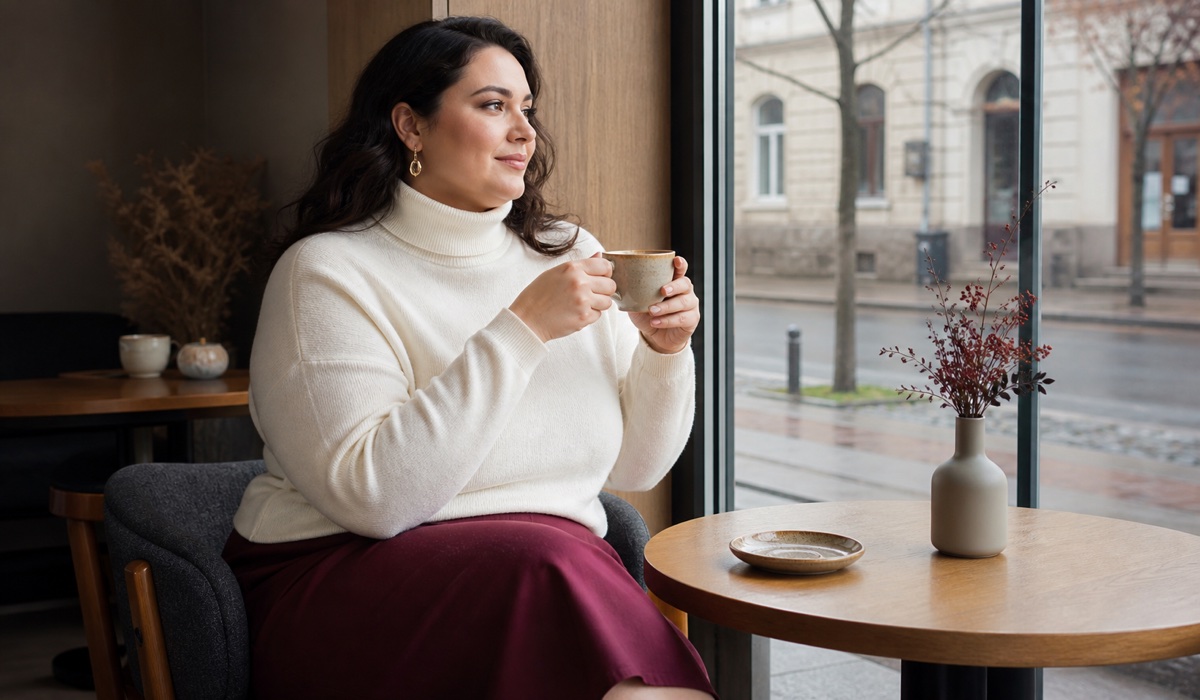
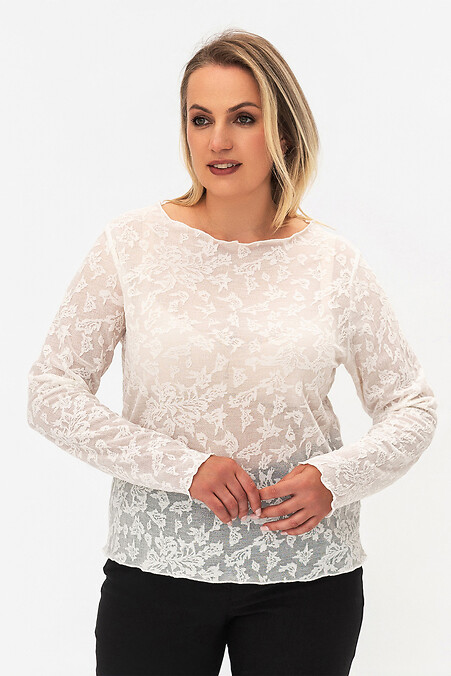
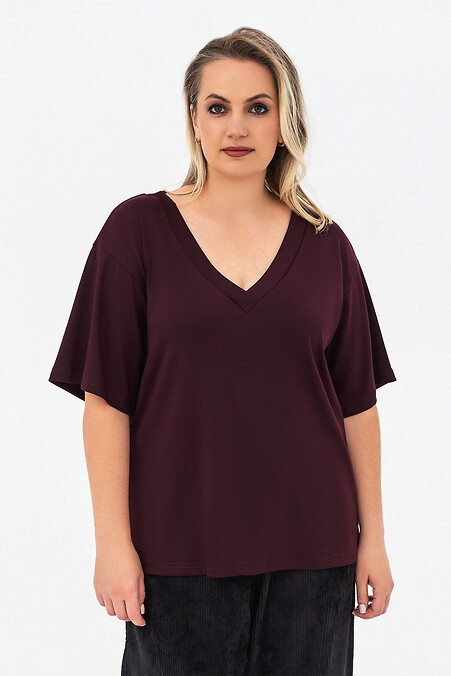
Foto 2. Kaschmir: Ein leichter Rollkragenpullover bietet eine angenehme, wärmende Schicht, ohne aufzutragen.
Kaschmir: Maximale Weichheit und Wärme bei geringem Gewicht
Kaschmir wird für seine Zartheit, Leichtigkeit und seine Fähigkeit, ohne dicke Schichten zu wärmen, geschätzt. Er eignet sich besonders gut für Rollkragenpullover, dünne Pullover, Cardigans, Schals und Strickkleider. Im Plus-Size-Katalog finden Sie Modelle, die weiche Strickwaren mit einer bequemen Passform und ausreichend Länge kombinieren.
Kaschmir benötigt jedoch mehr Pflege und ist nicht immer die praktischste Wahl für Sportbekleidung.
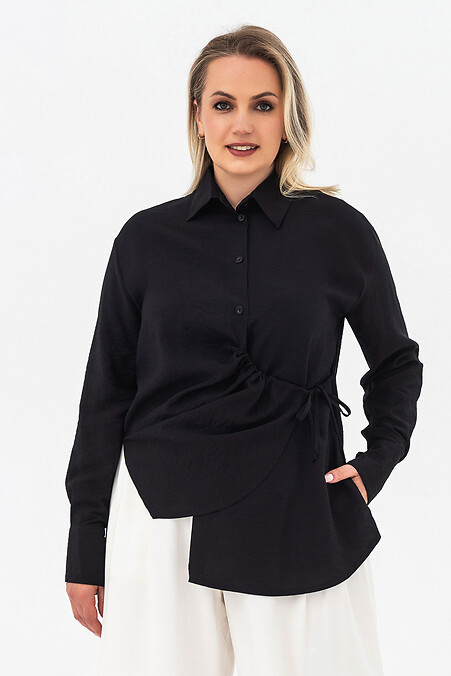
Bei nassem Schnee, Wind und extremer Kälte eignet es sich am besten als wärmende Innenschicht unter einem Mantel. Viskose: Wärmt nicht von selbst, erhöht aber den Tragekomfort. Viskose macht den Stoff weicher, atmungsaktiver und flexibler. Seine Stärke liegt im fließenden Fall: Das Material fällt wunderschön über Kleider, Blusen und feine Strickwaren. Wenn Sie ein Winterkleid in großen Größen suchen, achten Sie auf Viskose in Kombination mit Wolle, Kaschmir oder dicker Strickware - nicht als alleinige Wärmequelle.
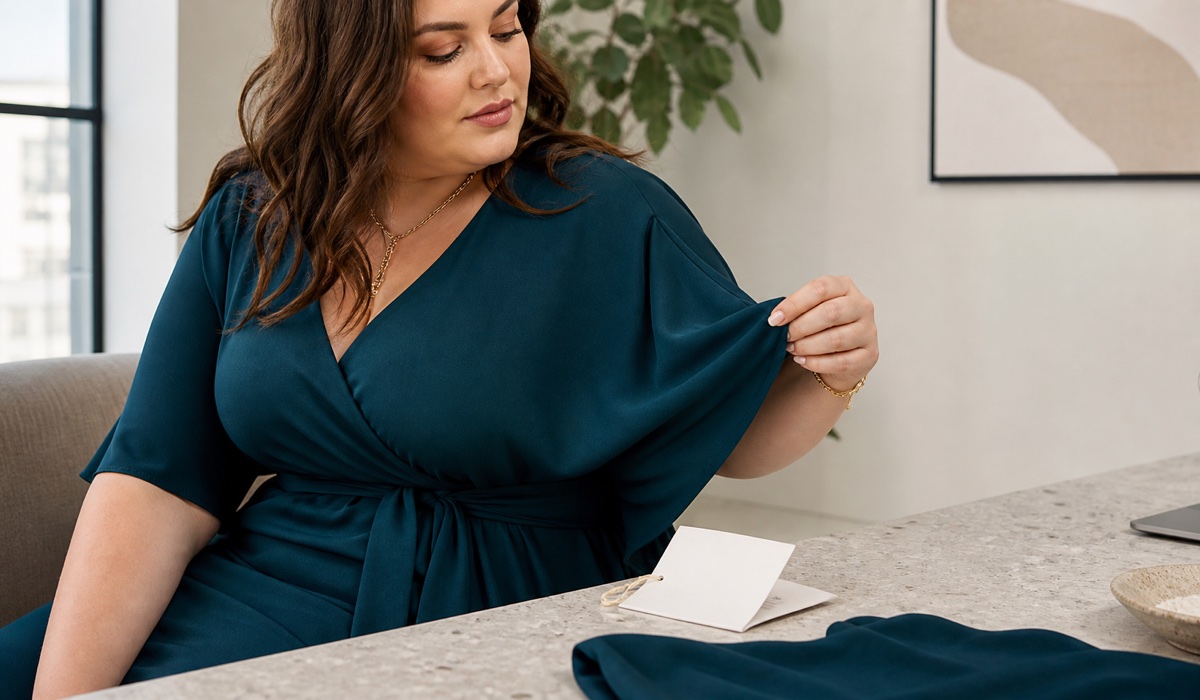
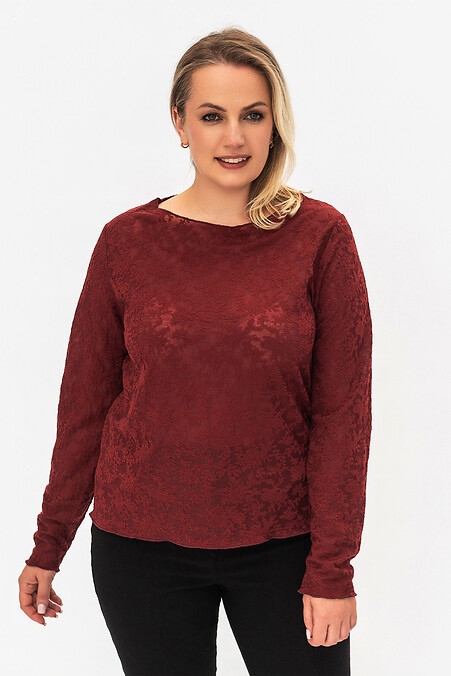
Foto 3. Viskoseanteil: Das Material verleiht dem Kleid einen weichen Fall und hohen Tragekomfort.
Mischgewebe: Die praktischste Option für jeden Tag
Mischgewebe sind im Alltag oft praktischer als reine Materialien: Sie sind formbeständiger, neigen weniger zum Pilling und sind pflegeleichter.
sich pflegen und wohlfühlen. Dies zeigt sich besonders bei Plus-Size-Anzügen: Das Kleidungsstück muss die Silhouette stützen und gleichzeitig die Bewegungsfreiheit nicht einschränken.
Zusammensetzung
Eigenschaften
Wärme
Wolle + Polyamid
Strapazierfähigkeit, Formstabilität
Hoch
Wolle + Viskose
Weichere Passform, Flexibilität
Mittel/Hoch
Kaschmir + Wolle
Leicht, weich, Hochwertiges Tragegefühl
Sehr hoch
Viskose + Kunstfasern
Fall und Preis
Durchschnittlich
So lesen Sie das Etikett
Die erste Komponente hat in der Regel den größten Anteil;
Ein geringer Kaschmiranteil macht das Kleidungsstück weicher, aber nicht zu reinem Kaschmir;
Ein hoher Viskoseanteil bedeutet Komfort und Flexibilität, aber nicht maximale Wärme;
Bei einem Mantel sollten Sie neben der Materialzusammensetzung auch die Dichte des Gewebes und das Vorhandensein eines Futters berücksichtigen.
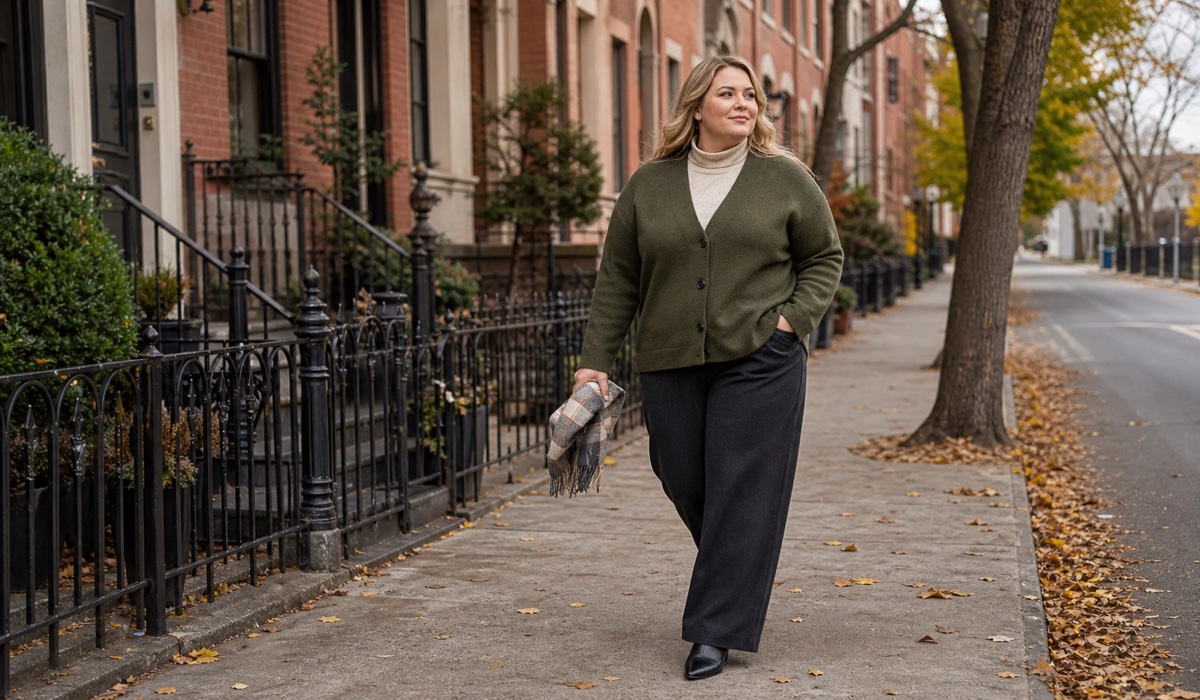
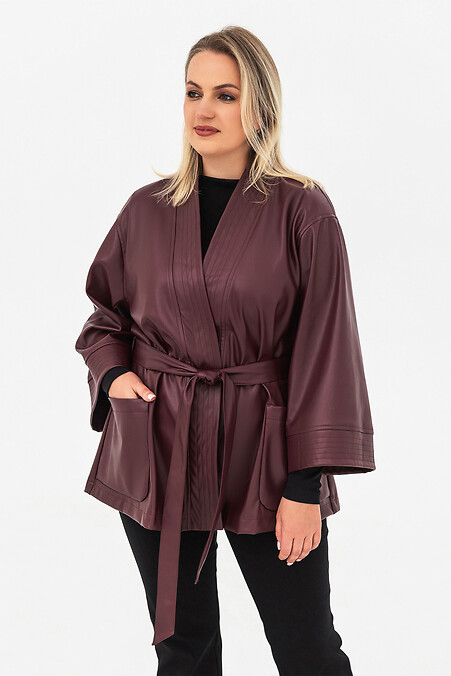
Foto 4. Wollmischung: Eine strukturierte Strickjacke und eine Hose ergeben einen warmen und gleichzeitig luftigen urbanen Look.
Was Sie für Mäntel, Pullover, Kleider und Accessoires wählen sollten
Für Mäntel eignen sich dichte Wolle und Wollmischungen am besten - sehen Sie sich Mäntel in großen Größen an. Kaschmir, Wolle, Merinowolle und strapazierfähige Mischungen sind für Pullover geeignet. Bei Kleidern sollten Sie nach Wollstrickwaren oder einer Woll-Viskose-Mischung Ausschau halten. Kaschmir eignet sich ideal für Schals und andere Accessoires: Es ist weich auf der Haut und trägt nicht auf. Tipps für Plus-Size-Mode: Wärme ohne aufzutragen Warme Kleidung sollte nicht nur vor Kälte schützen, sondern auch bequem und vorteilhaft sitzen. Lange Schnitte, dichte, aber nicht steife Stoffe und klare Lagenkombinationen sind ideal: ein Mischgewebepullover + gerade geschnittene Plus-Size-Hose, ein Kaschmir-Rollkragenpullover + Jacke + langer Mantel oder Strickkleid + hohe Stiefel.
Foto 5. So lesen Sie die Materialzusammensetzung: Vergleichen Sie nicht nur die Faserbezeichnung, sondern auch deren prozentualen Anteil, Dichte und den Verwendungszweck des Kleidungsstücks.
Das Fazit ist einfach: Für echte Wärme wählen Sie Wolle und Kaschmir; für Weichheit und Flexibilität wählen Sie Viskose als Bestandteil der Mischung; Für den Alltag - durchdachte Kombinationszusammenstellungen. Inspirationen für Outfits finden Sie in unserem fertigen Plus-Size-Look.
Häufig gestellte Fragen
Was ist wärmer: Wolle oder Kaschmir?
Bei gleichem Gewicht ist Kaschmir in der Regel wärmer und weicher, aber dichte Wolle ist praktischer für einen Mantel.
Ist Viskose im Winter warm?
Für sich genommen, Es ist nicht besonders warm. In einer Mischung sorgt sie für Komfort und einen schönen Fall, während Wolle, Kaschmir oder eine dichte Strickart für Wärme sorgen.
Was ist besser für einen Winterpullover: reine Wolle oder eine Mischung?
Eine hochwertige Mischung ist oft praktisch für den Alltag: Sie ist formbeständiger, weicher und pflegeleichter.
Woran erkennt man, ob ein Kleidungsstück wirklich warm ist?
Achten Sie auf die Zusammensetzung, die Dichte des Stoffes, die Dicke des Strickgewebes, das Futter und den Verwendungszweck - ein Pullover, ein Kleid und ein Mantel benötigen unterschiedliche Wärmegrade. Isolierung.