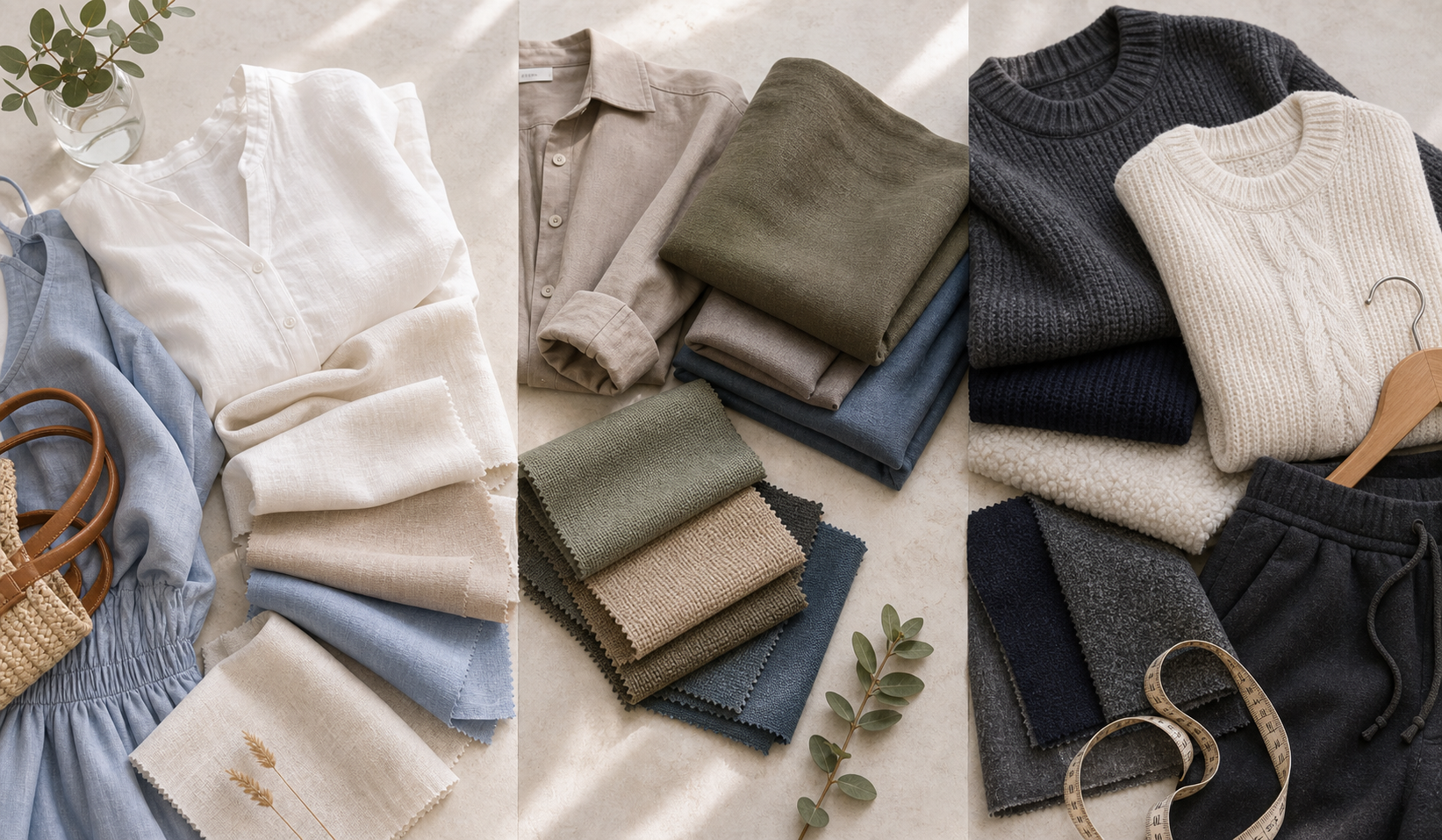
Wie Sie den richtigen Stoff für bequemen Tragekomfort im Alltag auswählen: Ein Ratgeber für große Größen
Wie Sie den richtigen Stoff für bequemen Tragekomfort im Alltag auswählen: Ein Ratgeber für große Größen
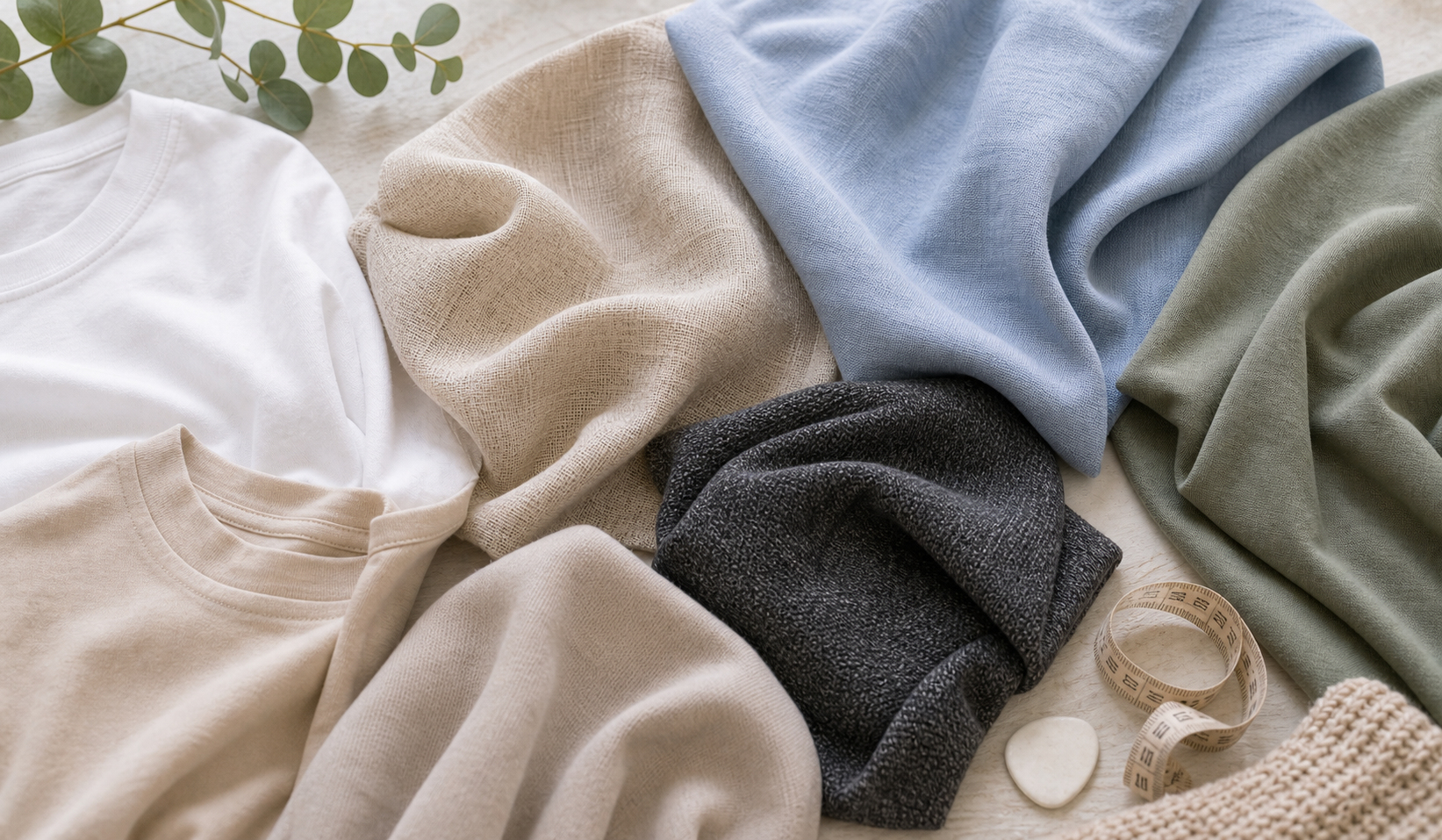
Für den täglichen Tragekomfort von Plus-Size-Kleidung ist es wichtig, atmungsaktive, bequeme und hautfreundliche Stoffe zu wählen, die Bewegungsfreiheit bieten. Natürliche oder Mischgewebe eignen sich am besten: Baumwolle, Leinen, Viskose, Modal, Bambus und dicke Strickwaren mit moderater Dehnbarkeit - diese Stoffe sollten Sie bei Plus-Size-Kleidung suchen. Bei Plus-Size-Mode ist der Stoff genauso wichtig wie die Passform. Es entscheidet darüber, ob ein Kleidungsstück überhitzt, durchsichtig wird, eng am Körper anliegt, Falten wirft oder nach einigen Stunden Tragezeit seine Form verliert, insbesondere wenn es sich um ein Alltagskleid handelt.
Warum der Stoff wichtiger ist als der Stil
Selbst ein gut geschnittenes Kleidungsstück kann unbequem sein, wenn der Stoff nicht zu Ihrem Alltag passt.
Das Material entscheidet darüber, ob sich Ihre Haut im Büro, in öffentlichen Verkehrsmitteln, beim Spazierengehen, auf Reisen oder zu Hause angenehm anfühlt. Vier Eigenschaften sind besonders wichtig für den Alltag: Atmungsaktivität, Weichheit, Dichte und Formbeständigkeit. Wenn auch nur eine dieser Eigenschaften schwach ausgeprägt ist, kann ein Kleidungsstück schnell „schön, aber unerträglich“ werden.
Atmungsaktivität. Das Material erzeugt keinen Wärmestau und sorgt für ein angenehmes Tragegefühl.
Weichheit. Der Stoff kratzt und scheuert nicht unter den Armen, am Hals, an den Hüften oder an den Nähten.
Dichtheit. Der Stoff ist an Brust, Bauch und Hüften blickdicht.
Dehnbarkeit. Ein geringer Elastananteil ermöglicht Bewegungsfreiheit und verbessert die Passform.
Welche Stoffe eignen sich am besten für den Alltag?
Achten Sie bei einer Basic-Garderobe für große Größen auf Stoffe, die Komfort, Funktionalität und Formbeständigkeit vereinen.
Baumwolle mit einem kleinen Elastananteil ist besonders bequem für Plus-Size-Kleidung: Sie schränkt die Bewegungsfreiheit weniger ein, behält ihre Form besser und leiert an Ellbogen, Knien und Hüften nicht so schnell aus.
Leinen
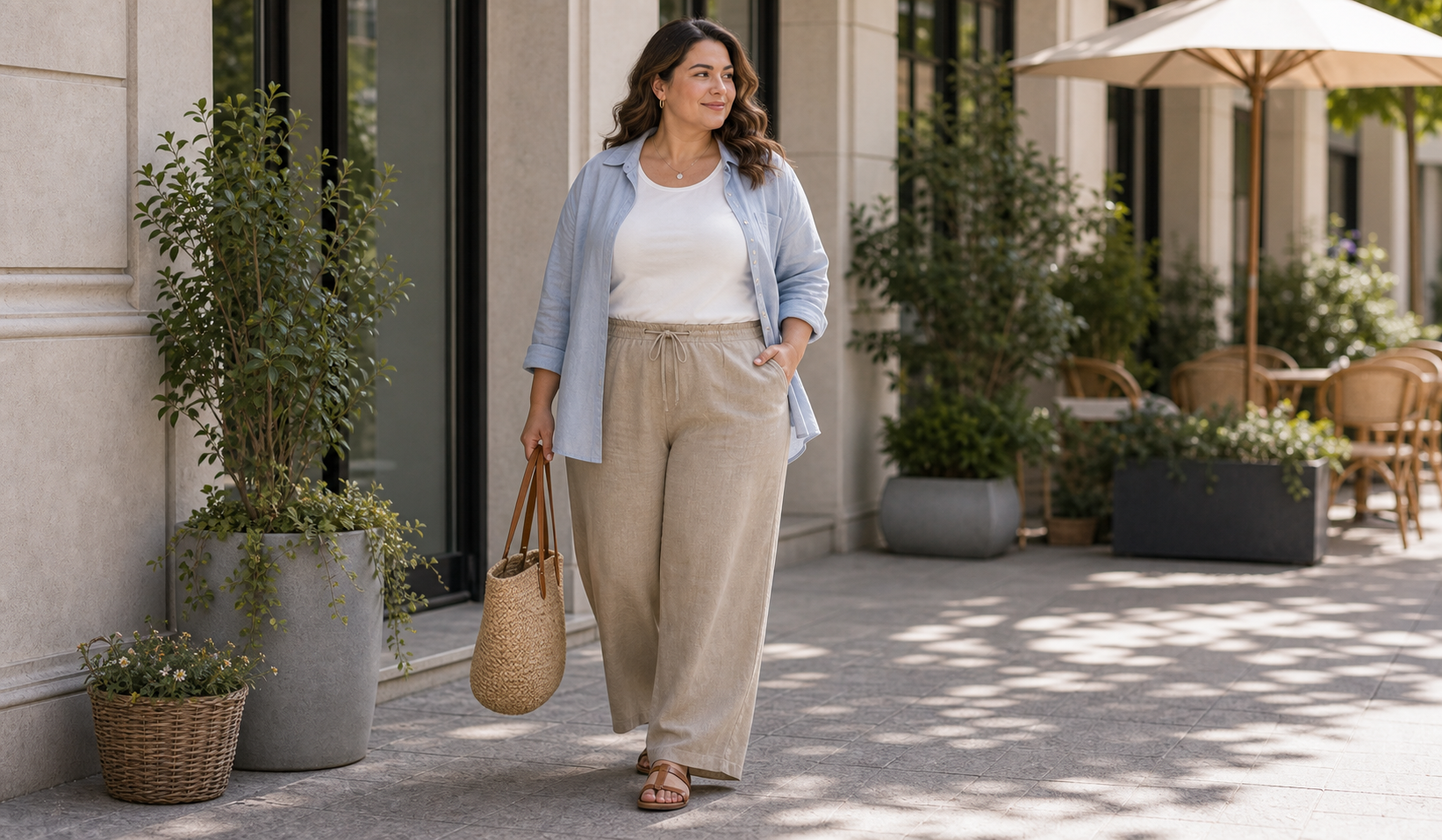
Leinen ist perfekt für wärmere Tage, weil es Atmungsaktiv und nicht klebrig. Ideal für Blusen, locker sitzende Kleider, Sommerhosen in großen Größen und lässige Anzüge.
Natürliche Knitterfestigkeit. Für einen eleganteren Look im Alltag empfehlen wir Leinenmischungen: Leinen mit Viskose, Baumwolle oder einem geringen Anteil an Kunstfasern.
Viskose, Modal und Bambus
Viskose, Modal und Bambus sind für ihre Weichheit, Leichtigkeit und ihren angenehmen Fall bekannt. Diese Stoffe eignen sich hervorragend für Kleidungsstücke, die weich sitzen sollen, ohne einzuengen.
Viskose. Eine gute Wahl für Kleider, Blusen, Röcke und Sommeranzüge in großen Größen.
Modal. Ein weiches Material für T-Shirts, Tops, Loungewear und Freizeitkleidung.
Bambus. Fühlt sich weich auf der Haut an, ist leicht und angenehm bei warmem Wetter.
Strickwaren
Hochwertige Strickwaren gehören zu den bequemsten Materialien für Frauen mit großen Größen, da sie sich jeder Bewegung anpassen. Wichtig ist jedoch, dass der Stoff ausreichend dicht ist: Zu dünne Stoffe können durchsichtig sein und Problemzonen betonen. Dies fällt besonders bei T-Shirts und Tops auf.
Wählen Sie Strickwaren, die nach leichtem Dehnen in ihre ursprüngliche Form zurückkehren, nicht übermäßig glänzen, sich an den Rändern nicht einrollen und im Licht nicht durchsichtig wirken.
Welche Stoffe sollten Sie im Alltag besser vermeiden?
Nicht jeder Stoff, der auf Fotos schön aussieht, ist auch den ganzen Tag über angenehm zu tragen.
Für den Alltag sollten Sie Materialien meiden, die schlecht atmungsaktiv sind, sich statisch aufladen oder schnell ein Gefühl von Überhitzung hervorrufen.
Dichtes Polyester ohne Zusätze. Kann sich schnell aufheizen und Feuchtigkeit schlecht ableiten, besonders im Sommer.
Hartes Acryl. Juckt oft, lädt sich statisch auf und kann schnell ausleiern.
Dünne, durchsichtige Strickwaren. Verliert schnell ihre Form und kann an beanspruchten Stellen durchsichtig sein.
Übermäßig glänzende Stoffe. Betonen optisch Textur und Falten, selbst wenn das Design schmeichelhaft ist.
Raschelnde Materialien. Im Alltag reizen sie oft die Haut und fühlen sich unangenehm an.
So wählen Sie den richtigen Stoff für Plus-Size-Größen.
Bei Plus-Size-Mode ist es wichtig, nicht nur die Materialzusammensetzung, sondern auch das Tragegefühl zu berücksichtigen. Derselbe Stoff kann sich in einem Oberteil angenehm anfühlen, aber nicht in einer engen Hose oder einem Etuikleid. Vergleichen Sie daher die Passform verschiedener Kleiderstile im Katalog.
Prüfen Sie die Dichte
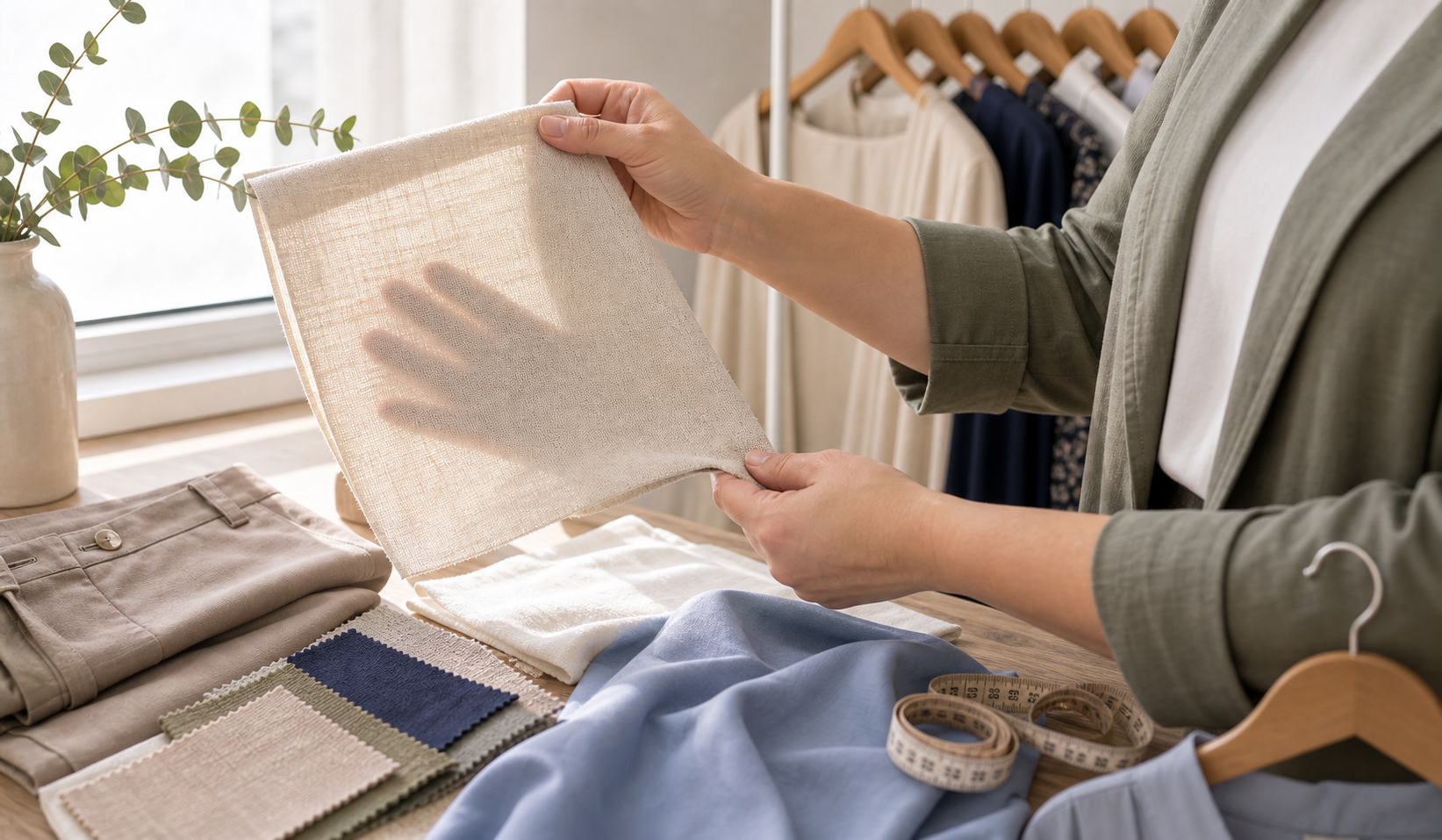
Halten Sie den Stoff gegen das Licht oder prüfen Sie, wie er sich an gedehnten Stellen anfühlt.
Der Stoff sollte nicht durchsichtig sein oder sich durch Spannung im Brust-, Bauch-, Hüft- und Gesäßbereich stark verfärben.
Dehnbarkeit prüfen
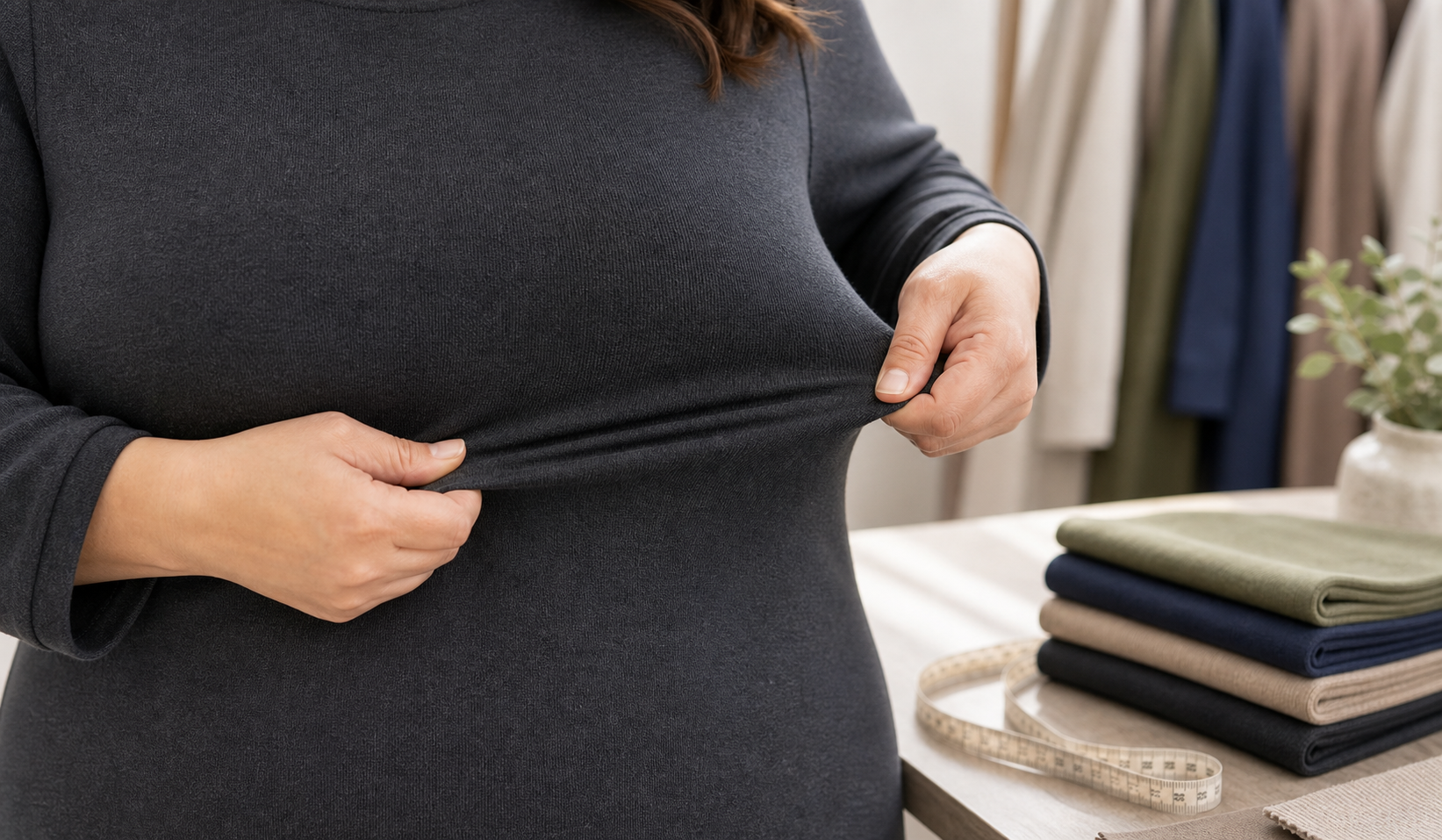
Leichte Dehnbarkeit ist im Alltag von Vorteil: Sie ermöglicht Bewegungsfreiheit, verbessert die Passform und verringert das Risiko von Nähten, die sich lösen.
Dehnbarkeit sollte jedoch nicht die richtige Größe ersetzen, insbesondere bei Plus-Size-Hosen.
Achten Sie darauf, wie sich der Stoff bewegt.
Ziehen Sie den Stoff in Ihrer Hand zusammen, ziehen Sie ihn auseinander und streichen Sie damit über Ihre Haut. Ein guter Stoff für den Alltag kratzt nicht, klebt nicht, lädt sich nicht statisch auf, wirft keine Falten und behält seine Form auch nach mehrmaliger Bewegung.
Welche Stoffe Sie je nach Jahreszeit wählen sollten
Die Jahreszeit hilft Ihnen, ungeeignete Stoffe schnell auszusortieren. Sommerkleidung sollte atmungsaktiv sein und Feuchtigkeit ableiten, während Kleidung für kühlere Tage formbeständig und weich sein sollte, wie zum Beispiel bequeme Plus-Size-Anzüge.
Schwer gestrickte Kleidung, Wollmischungen, Fleece für Loungewear
Warme Kleider, Pullover, Hosen, Loungewear
So kombinieren Sie Komfort und einen eleganten Look
Bequeme Kleidung muss nicht unbedingt schlicht sein. Das Material kann weich und angenehm sein und trotzdem formbeständig, schön fallend und gepflegt wirken.
Beispiele für solche Kombinationen finden Sie im GARNE Lookbook.
Fürs Büro und die Stadt wählen Sie mittelschwere, knitterarme Stoffe, wie sie beispielsweise bei Hemden und Blusen verwendet werden.
Für Spaziergänge und Ausflüge eignen sich weiche Mischgewebe, Strickwaren und Viskose.
Für einen aktiven Tag wählen Sie Stoffe mit etwas Stretch und Formstabilität.
Im Sommer sind matte Oberflächen und Natur- oder Halbnaturfasern ideal.
Wenn Sie eine Basic-Garderobe für jeden Tag benötigen, orientieren Sie sich nicht an Farben oder Trends, sondern am Tragegefühl des Stoffes.
Ein Kleidungsstück, das sich angenehm tragen lässt, hat bessere Chancen, zu einem Lieblingsstück zu werden und sich nahtlos in Ihre Garderobe einzufügen, insbesondere wenn es sich leicht mit anderen Teilen aus dem Plus-Size-Katalog kombinieren lässt.
Fazit
Für den täglichen Tragekomfort in Plus-Size-Kleidung eignen sich Baumwolle, Leinen, Viskose, Modal, Bambus und hochwertige, schwere Strickwaren am besten. Wichtig ist, neben der Stoffbezeichnung auch Dichte, Weichheit, Dehnbarkeit, Saisonalität und den Fall des Stoffes zu berücksichtigen - von Basic-T-Shirts bis hin zu Plus-Size-Röcken.
Der richtige Stoff sollte sich nicht warm anfühlen, nicht scheuern, nicht durchsichtig sein und kein ständiges Zurechtrücken erfordern. Hier beginnt eine Basisgarderobe, die bequem für den Alltag ist.
Häufig gestellte Fragen
Welcher Stoff eignet sich am besten für den Alltag?
Am häufigsten sind dies Baumwolle, Leinen, Viskose oder dicke Strickwaren.
Die Wahl hängt von der Jahreszeit ab, aber diese Materialien sind im Allgemeinen bequem, atmungsaktiv und praktisch für lässige Plus-Size-Kleidung.
Ist Polyester für Freizeitkleidung geeignet?
Ja, wenn es sich um ein hochwertiges Mischgewebe handelt und das Wetter nicht zu heiß ist.
Dichtes Polyester in seiner reinen Form kann jedoch schlecht atmungsaktiv sein und zu Überhitzung führen.
Welcher Stoff eignet sich am besten für Frauen mit Kurven?
Dichte Baumwolle, Leinen, Viskose mit Elastan und hochwertige Strickwaren sind gut geeignet. Wichtig ist, dass der Stoff formbeständig, blickdicht und bewegungsfreundlich ist.
Knittert Leinenkleidung?
Ja, Leinen knittert, das ist eine natürliche Eigenschaft. Für einen eleganteren Look im Alltag wählen Sie Leinenmischungen mit Viskose, Baumwolle oder anderen Fasern.
Welcher Stoff wird bei Hitze nicht warm?
Leinen, Baumwolle, Bambus, Tencel und leichte Viskose eignen sich in der Regel am besten. Sie sind atmungsaktiver und fühlen sich angenehmer auf der Haut an.
Worauf sollte ich beim Kauf von Stoffen im Geschäft achten?
Achten Sie auf die Zusammensetzung, Dichte, Elastizität, Haptik und darauf, ob der Stoff im Brust-, Bauch- und Hüftbereich durchsichtig ist.
Ist Viskose für den Alltag geeignet?
Ja, wenn es sich um hochwertige Viskose normaler Dichte handelt. Sie ist weich, bequem und perfekt für Kleider, Blusen, Röcke und leichte Alltagsanzüge.