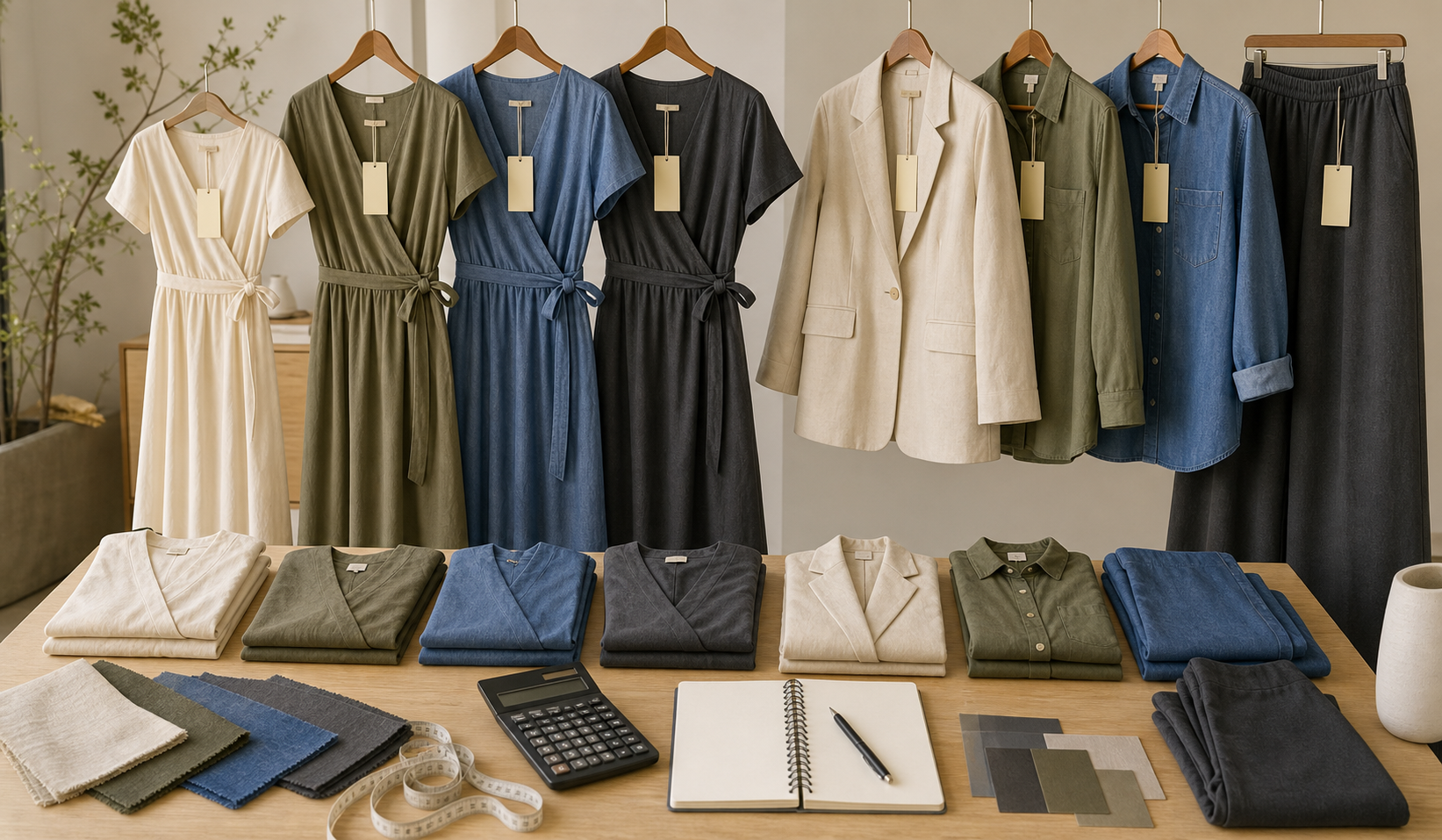
Worin besteht der Preisunterschied bei Kleidung in den Größen S und 5XL in Übergrößen?
Worin besteht der Preisunterschied bei Kleidung in den Größen S und 5XL in Übergrößen?
Die Produktionskosten für Kleidung in den Größen S und 5XL unterscheiden sich zwar, aber nicht im Sinne von „fünfmal so teuer“. Bei Plus-Size-Kleidung werden die Produktionskosten durch einen höheren Stoffverbrauch, komplexere Schnittmuster, robustere Verarbeitung, einen höheren Zeitaufwand beim Nähen, eine sorgfältigere Passformkontrolle und das Risiko von Retouren beeinflusst. Der gleiche Verkaufspreis für S und 5XL bedeutet nicht, dass die Herstellerkosten für diese Größen gleich sind. Oft verteilen Marken die Preisdifferenz einfach auf die gesamte Kollektion, damit sich Kundinnen und Kunden nicht benachteiligt fühlen. für meine Größe und konnte problemlos Plus-Size-Kleidung auswählen.
Was ist der Selbstkostenpreis und woraus setzt er sich zusammen?
Der Selbstkostenpreis umfasst alle Kosten, die für die Herstellung einer Einheit eines Produkts anfallen.
Bei einem Kleid, einer Bluse, einem Anzug oder einer Hose ist es nicht auf den Stoff beschränkt. Die Kalkulation umfasst Material, Teamarbeit und Produktionsrisiken.
Stoff und Futter. Der Hauptkostenposten, insbesondere bei hochwertigen oder Premium-Materialien.
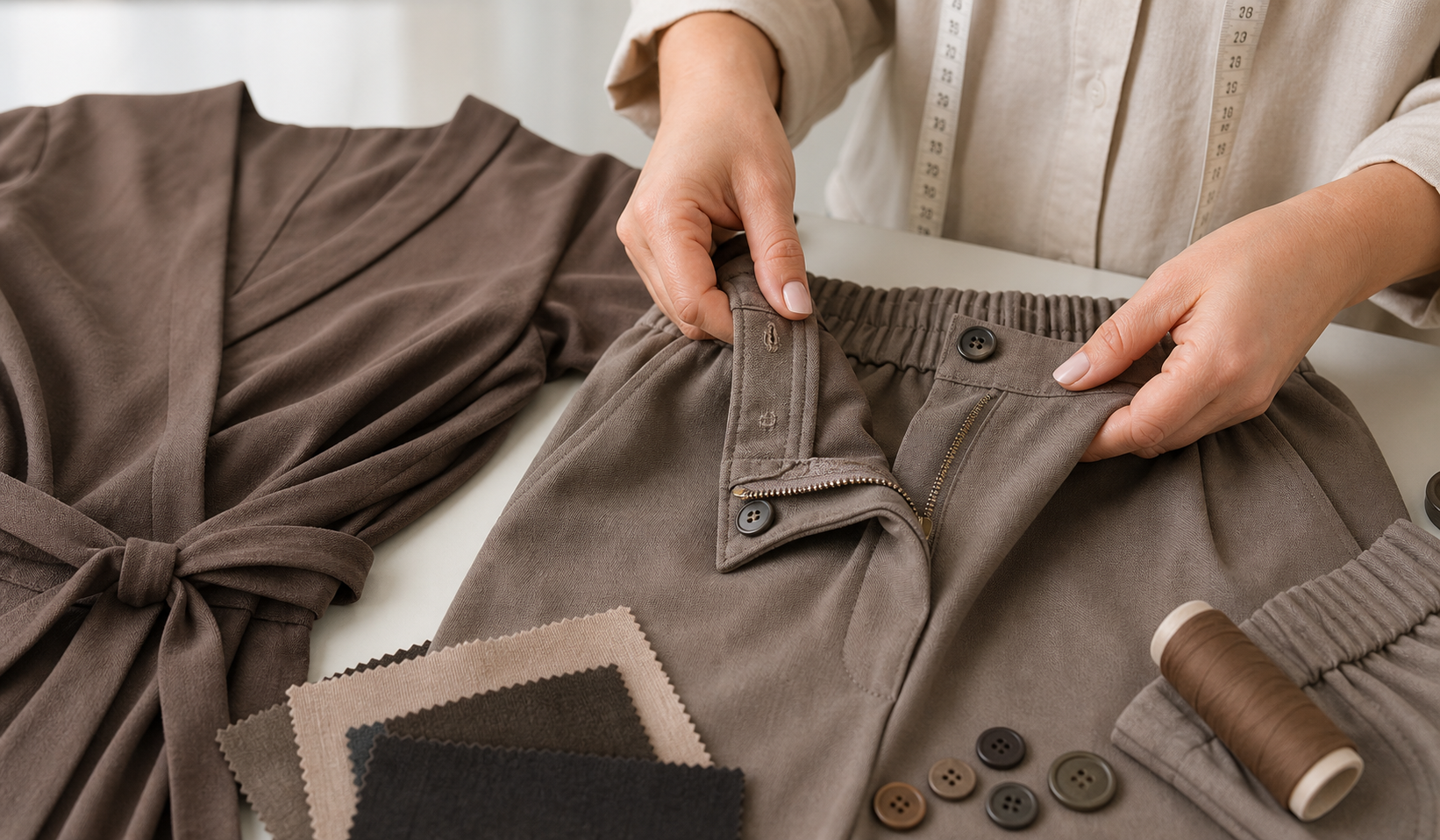
Accessoires. Knöpfe, Reißverschlüsse, Gummibänder, Druckknöpfe, Einfassungen und Überlappungsmaterialien.
Designer- und Technikerarbeit. Schnittmuster, Passform, Testmuster, Anpassungen.
Zuschnitt und Nähen. Arbeitszeit der Näherin, Detailkomplexität, Nahtlänge, Qualitätskontrolle.
Mängel und Änderungen. Alles, was die Qualitätskontrolle nicht besteht oder Nacharbeit erfordert.
Verpackung, Logistik und Lagerung. Kosten, die nach der Produktion anfallen.
Bei Plus-Size-Größen ändert sich mehr als nur die Stoffmenge. Die Konstruktion, Passform, Nahtbelastung und Materialanforderungen des Kleidungsstücks ändern sich, wodurch die Qualität bei Oberbekleidung besonders wichtig ist.
Stoff: Der Hauptunterschied zwischen S und 5XL
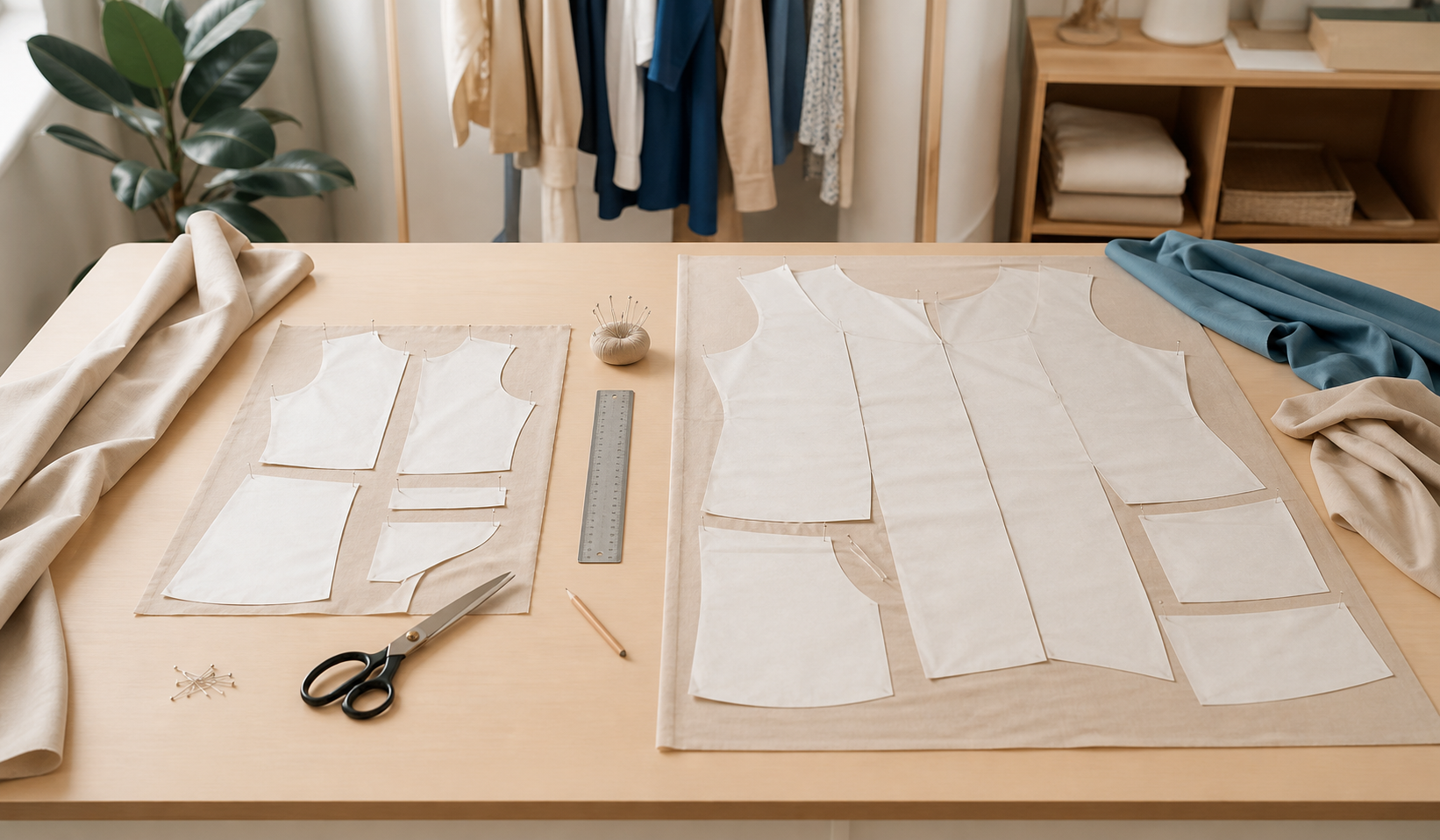
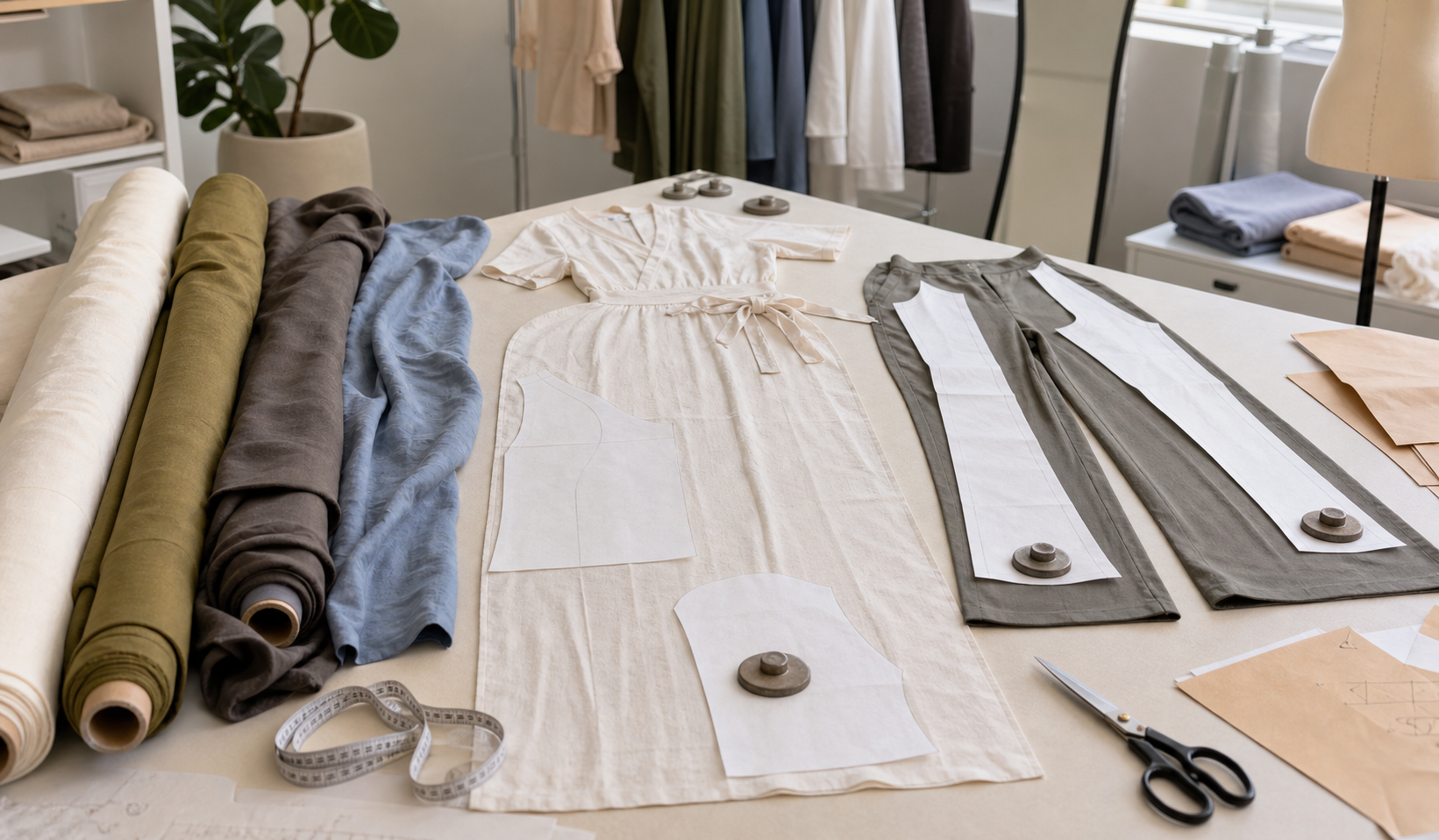
Der Unterschied zwischen S und 5XL beträgt nicht nur ein paar Zentimeter mehr. Größere Größen vergrößern deutlich die Maße für Brust, Taille, Hüfte, Ärmelweite, Rücken, Vorderseite und Saum.
Bei einem geraden Kleid kann dies einen höheren Stoffverbrauch bedeuten, und bei Modellen mit ausgestelltem Rock, Rüschen, Wickeloptik oder weiten Ärmeln ist der Unterschied noch größer.
Bei der Verwendung von Leinen, schwerer Viskose, Satin oder hochwertigen Strickwaren wirkt sich jeder zusätzliche Zentimeter erheblich auf die Kosten von Kleidern in Übergrößen aus.
Bei größeren Größen sind ausreichende Nahtzugaben wichtiger;
An der Breite der Schnittteile zu sparen, führt oft zu einer schlechten Passform;
Hochwertige, dichte Stoffe für Plus Size sind in der Regel teurer als dünne Stoffe.
Konstruktion und Passform: Warum 5XL komplizierter ist
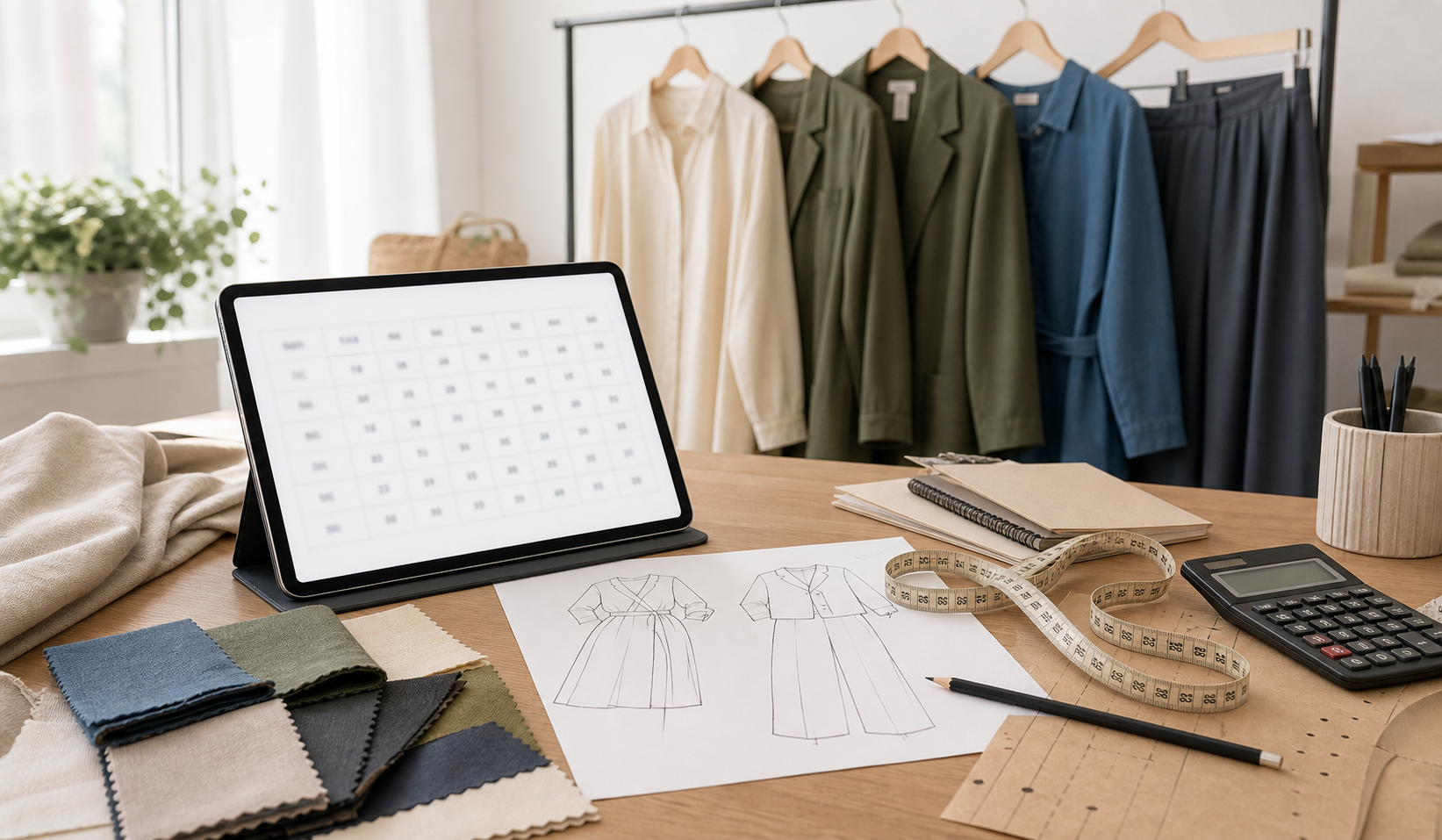
Es ist ein Irrtum zu glauben, dass 5XL einfach nur eine S mit größerem Umfang ist. In der Praxis erfordert Plus Size eine separate Schnittmustererstellung, da die Körperproportionen in allen Bereichen ungleichmäßig variieren. Dies wird deutlich, wenn man verschiedene Konfektionslooks im Lookbook vergleicht.
Bei Plus Sizes ist es wichtig, Brustumfang, Bauchumfang, Rückenumfang, volle Arme, unterschiedliche Taillenhöhen, Apfel-, Birnen- und Sanduhrfiguren sowie weitere Merkmale zu berücksichtigen. Daher verbringen Designer und Technologen mehr Zeit mit der Passform.
Mehr Schnittmusteranpassungen. Sie müssen die Proportionen von Vorder- und Rückenteil, Ärmelweite, Armausschnitt, Taille und Hüfte überprüfen.
Mehr Testmuster. Ein Model kann in Größe S gut sitzen, aber in 4XL-5XL Anpassungen benötigen.
Komplexere Passform. Das Kleidungsstück sollte nicht nur eng anliegen, sondern sich bequem mit Ihnen bewegen. Körper, insbesondere bei Plus-Size-Hosen.
Die Kosten eines Fehlers sind höher. Eine schlecht sitzende Plus-Size-Hose führt oft zu Rücksendungen.
Verschlüsse, Nähte und Nähzeit
Plus-Size-Kleidung wird stärker beansprucht. Nähte, Reißverschlüsse, Knöpfe, Gummibänder und Futter müssen Bewegungen, Reiten, Sitzen, Bücken und dem täglichen Gebrauch standhalten. Hochwertige Plus-Size-Kleidung kann daher nicht nach dem Prinzip „Gleiche Passform, nur mehr Stoff“ hergestellt werden.
Komponente
In Größe S
In Größe 5XL
Stoff
Geringerer Verbrauch an Kleidungsstückkomponenten.
Mehr Stoff für Weite, Länge, Ärmel, ausgestellte oder Wickeloptik.
Schnittmuster
Eine einfache Abstufung ist oft ausreichend.
Eine sorgfältigere Anpassung an die Plus-Size-Proportionen ist erforderlich. Größe.
Beschläge
Standardbelastung.
Stärkere Reißverschlüsse, Nähte, Gummibänder und Verschlüsse sind wünschenswert.
Nähen
Kürzere Nähte und weniger Kontrolle über schwierige Stellen.
Längere Stiche ermöglichen mehr Kontrolle über Passform und Genauigkeit.
Risiken
Geringere Empfindlichkeit gegenüber kleineren Passformfehlern.
Höheres Risiko von Rücksendungen aufgrund von Problemen mit Stoff, Größe oder Schnittmuster.
Die Schneiderin investiert mehr Zeit: Die Details sind größer, die Nähte länger und die Passformkontrolle wichtiger. Das macht 5XL nicht zu „Luxus“, verursacht aber spürbare Mehrkosten im Produktionsprozess.
Mängel und Retouren: Die versteckten Kosten
Kleidung in Übergrößen wird häufiger zurückgeschickt, nicht weil die Kundinnen „anspruchsvoller“ sind, sondern weil die Passform in größeren Größen fehleranfälliger ist. Ist der Stoff dünn, sind die Armausschnitte zu eng, sitzt die Taille nicht richtig oder ziehen die Nähte, fällt das der Kundin schnell auf. Transparente Bedingungen für Umtausch und Rückgabe beeinflussen daher auch das Vertrauen.
falsche Größe;
schlechte Passform für einen bestimmten Körpertyp;
unzureichende Elastizität des Stoffes;
Transparenz im Brust- oder Hüftbereich;
deformierte Nähte in der Belastungszone.
Eine Rückgabe bedeutet nicht nur einen Umsatzverlust. Sie beinhaltet auch logistischen Aufwand, die erneute Prüfung des Artikels, das Risiko eines beschädigten Etiketts, Anprobespuren oder den Verlust der Präsentation.
Einige dieser Risiken sind im Finanzmodell des Geschäfts berücksichtigt, ebenso wie die Lieferkosten. Warum Preise oft nicht nach S und 5XL aufgeschlüsselt werden Viele Marken bieten einen Einheitspreis für ihr gesamtes Größensortiment an. Das ist für die Kundin einfacher und aus Kommunikationssicht transparenter: Ein Artikel hat einen Einheitspreis, unabhängig von der Größe, egal ob es sich um eine einfache Bluse oder einen Plus-Size-Anzug handelt. In diesem Modell ist der Preis für 5XL höher, der Unterschied wird jedoch durch die durchschnittliche Gewinnspanne der Kollektion ausgeglichen. Das bedeutet, dass die Marke mit kleineren Größen mehr und mit größeren Größen weniger verdient, während der Preis für alle gleich bleibt.
Ein Pluspunkt für die Kundin. Sie hat nicht mehr das Gefühl, aufgrund ihrer Größe durch höhere Preise benachteiligt zu werden.
Ein Pluspunkt für die Marke. Einfachere Kommunikation und stärkere Kundenbindung an die inklusive Linie.
Eine Herausforderung für das Unternehmen. Die durchschnittliche Marge muss korrekt berechnet werden, um sicherzustellen, dass die Kollektion wettbewerbsfähig bleibt. Profitabel.
Praktische Tipps für Inhaber von Plus-Size-Läden
Wenn ein Geschäft Größen bis 5XL verkauft, sollte die Kostenplanung nicht auf der kleinsten Größe, sondern auf der gesamten Größenpalette basieren.
Dies hilft, Situationen zu vermeiden, in denen große Größen mit minimaler Gewinnspanne oder unter dem Risiko von Qualitätseinbußen verkauft werden.
Was Sie bei der Preisgestaltung beachten sollten
Berechnen Sie den durchschnittlichen Stoffverbrauch. Dies gilt insbesondere für Kleider, Anzüge, Oberbekleidung und ausgestellte Modelle.
Sparen Sie nicht an den Mustern. Eine gute Passform reduziert Retouren und stärkt das Markenvertrauen.
Investieren Sie in hochwertige Details. Bei Plus-Size-Größen werden schwache Reißverschlüsse oder dünne Gummibänder schnell zum Problem.
Geben Sie genaue Maße in der Produktkarte an. Für 3XL-5XL ist dies entscheidend, insbesondere im Kleider und Hosen. Erklären Sie den Preis durch Qualität. Sprechen Sie über Stoff, Passform, Langlebigkeit und Tragekomfort, nicht über „Plus Size“. Wie Sie mit Kundinnen und Kunden über Unterschiede sprechen Wenn eine Marke unterschiedliche Preise für bestimmte Größen anbietet, ist eine sorgfältige Kommunikation unerlässlich. Erklären Sie die Unterschiede anhand des Materialverbrauchs, der Verarbeitung, der Qualität der Verarbeitung und der Passform. Es ist nicht nötig, Ihre Botschaft an Gewicht oder Körperform zu knüpfen. Ein ehrlicher Tonfall ist am besten: Ein Plus-Size-Model ist nicht einfach eine vergrößerte Version eines S-Models, sondern ein durchdachtes Produkt mit eigenen Schnittmustern, Materialien und Tragekomforttests - genau wie in einem vollständigen GARNE Plus-Size-Katalog. Fazit Die Produktionskosten für Größe 5XL sind in der Regel höher als für Größe S. Dieser Unterschied ist jedoch auf spezifische Produktionsfaktoren zurückzuführen: Stoff, Schnittmuster, Zubehör, Nähzeit, Passformkontrolle und das Risiko von Retouren. Dies ist kein Mythos oder ein „Größenaufschlag“, sondern normale Produktionskosten. Gleichzeitig kann der gleiche Preis für die gesamte Größenpalette eine bewusste Entscheidung der Marke sein. Es sichert die Treue von Kundinnen mit Übergrößen und beweist, dass eine inklusive Kollektion keine Ausnahme, sondern ein vollwertiger Bestandteil des Damenbekleidungssortiments ist.
Häufig gestellte Fragen
Stimmt es, dass die Produktionskosten für Größe 5XL immer höher sind als für Größe S?
In den meisten Fällen ja. 5XL erfordert mehr Stoff, eine komplexere Konstruktion, robustere Beschläge und mehr Zeit für Nähen und Passformkontrolle.
Warum haben Geschäfte oft den gleichen Preis für S und 5XL?
Dadurch wird die Preiskommunikation vereinfacht und der Eindruck von Größendiskriminierung vermieden. Marken verteilen die unterschiedlichen Produktionskosten in der Regel auf die gesamte Plus-Size-Kollektion.
Kann die Herstellung von 5XL fünfmal so teuer sein?
Nein, normalerweise nicht. Die Kosten steigen aufgrund von Stoff, Schnittmustern und Arbeitsaufwand, jedoch nicht proportional zur Konfektionsgröße.
Kann man bei Kleidung in großen Größen Stoff sparen?
Sparen ist möglich, aber riskant. Zu dünner oder schwacher Stoff behält seine Form schlechter, kann durchsichtig sein und führt zu mehr Retouren.
Werden für Kleidung in großen Größen separate Schnittmuster benötigt?
Ja. Das einfache Skalieren von Standardschnittmustern berücksichtigt nicht die tatsächlichen Proportionen einer kurvigeren Figur. Daher kann sich ein Kleidungsstück an Schultern, Brust, Bauch oder Hüften eng anfühlen.
Warum ist es wichtig, die Maße für Größe 5XL in der Produktbeschreibung anzugeben?
Detaillierte Maße helfen Kundinnen und Kunden, den Artikel mit ihren eigenen Maßen zu vergleichen und gleich beim ersten Kauf die richtige Größe zu wählen. Dies reduziert die Anzahl der Retouren.
Warum sind manche Modelle nicht bis Größe 5XL erhältlich?
Manchmal ist es technisch schwierig, ein Modell auf Größe 5XL zu skalieren, ohne die Passform zu beeinträchtigen, oder der Stoffverbrauch macht dies unwirtschaftlich. In diesem Fall kann die Marke die Größenauswahl einschränken.