Lagenlook im Herbst und Winter: So tragen Sie mehrere Schichten, ohne voluminös auszusehen
Lagenlook im Herbst und Winter: So tragen Sie mehrere Schichten, ohne voluminös auszusehen
Stilvolles Layering besteht nicht aus vielen einzelnen Teilen, sondern aus der richtigen Reihenfolge: einer dünnen Basisschicht, einer leichten Zwischenschicht und einer strukturierten Oberbekleidung. Für Plus-Size-Größen sorgt diese Formel für Wärme, Bewegungsfreiheit und eine definierte Silhouette ohne unnötiges Volumen.
Was ist Layering und warum funktioniert es im Herbst und Winter?
Mehrere gut durchdachte Schichten lassen sich leichter an die jeweilige Temperatur anpassen als eine einzelne Schicht. Zu dicker Pullover: Sie können die Strickjacke oder Jacke drinnen ausziehen und draußen einen Mantel darüber tragen. Beginnen Sie mit Teilen aus dem Plus-Size-Katalog, die sich hinsichtlich Dicke und Passform gut kombinieren lassen. Für eine harmonische Optik ist es wichtig, dass die Lagen die vertikalen Linien betonen und die Figur nicht breiter wirken lassen. Ein guter Anfang ist ein schlichtes Langarmshirt oder -top, ein Hemd oder eine dünne Strickjacke und ein Oberteil im Lagenlook. Ein Mantel oder eine Jacke, die formbeständig ist.
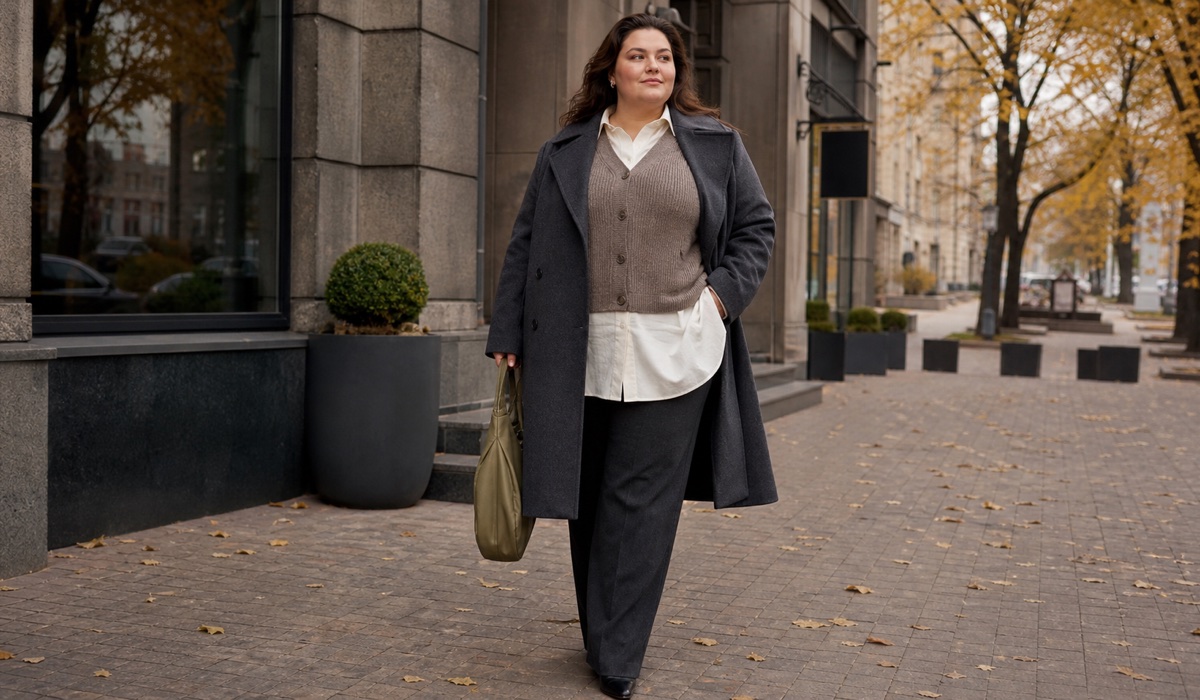
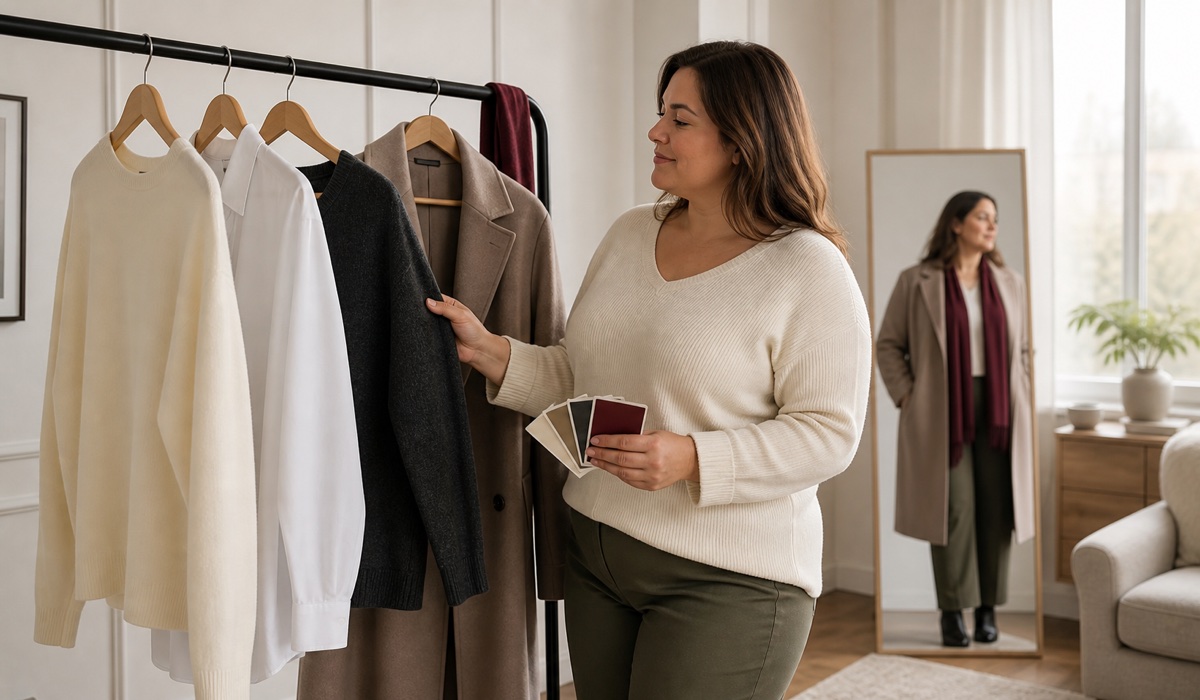
Lagenlook für den Herbst: Ein längeres Hemd unter dem Cardigan erzeugt eine klare vertikale Linie und verleiht dem Outfit Tiefe.
Die wichtigste Regel: Die nächste Schicht sollte lockerer, aber nicht voluminöser sein.
Die Reihenfolge „von dünn nach dick“ funktioniert: Die Basisschicht liegt knitterfrei am Körper an, die mittlere Schicht wärmt und die oberste Schicht schützt vor Wind und Nässe.
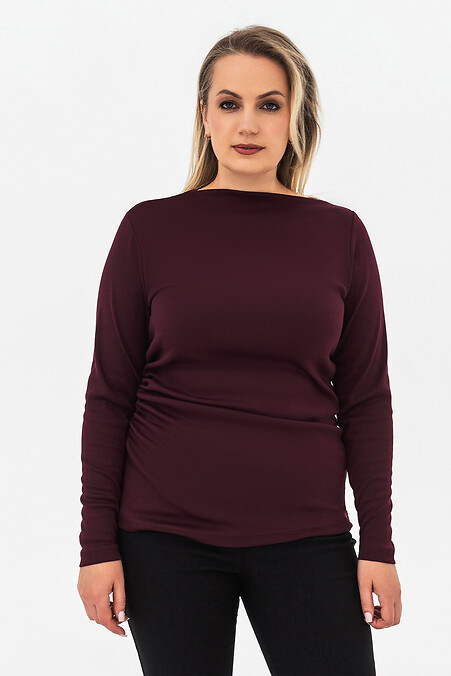
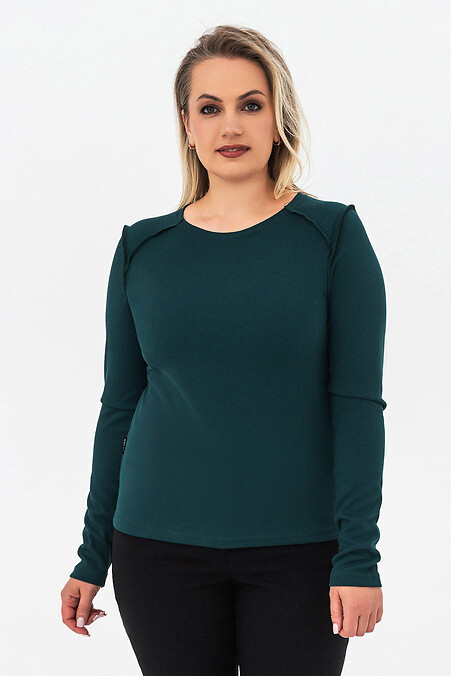
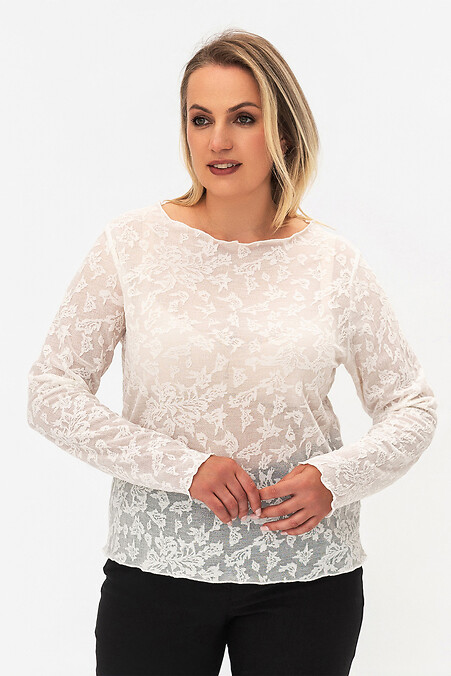
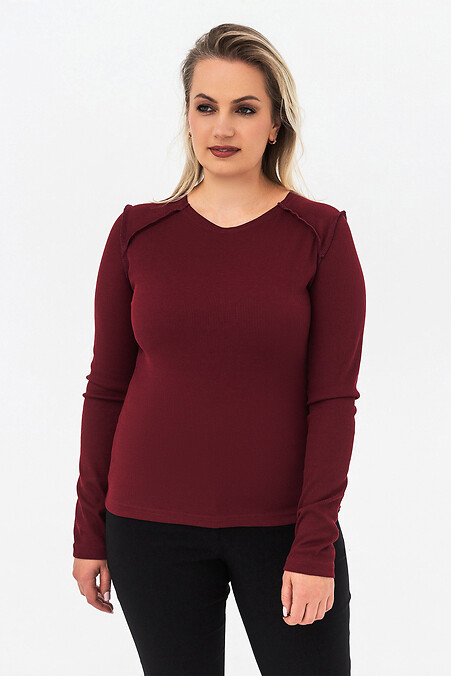
Ein dünner Rollkragenpullover, ein Langarmshirt oder Thermounterwäsche sollte wie eine zweite Haut sitzen: Sie sollte sich nicht unter der Kleidung stauen oder Falten an Armen, Brust und Bauch werfen. Für optimalen Tragekomfort wählen Sie weiche Strickstoffe, Baumwolle mit Elastan, Viskose oder feine Wolle.
Mittlere Schicht
Ein dünner Pullover, ein Hemd, ein Cardigan, eine Weste oder eine Jacke spendet Wärme und sorgt für Struktur. Ideal ist es, wenn die Schulterpartie betont ist und der Saum nicht auf der breitesten Stelle der Hüfte endet. Entdecken Sie Plus-Size-Shirts und -Blusen, die Sie offen über einem Top tragen können.
Außenschicht
Oberbekleidung sollte genügend Platz für die darüberliegenden Schichten bieten, ohne Schultern und Armausschnitte einzuengen. Ein gerader Mantel, ein Modell mit Gürtel oder eine Daunenjacke mit vertikalen Steppnähten sehen gut aus, solange man nicht zu viel Strick darunter trägt.
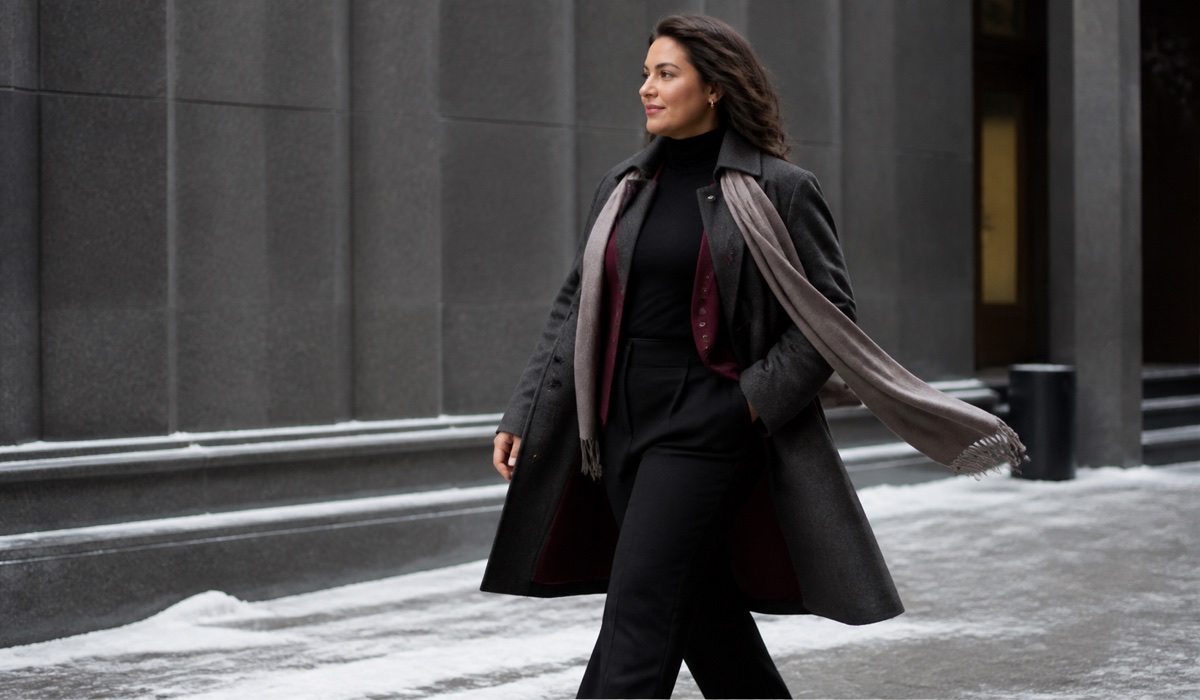
Winter-Look: Der Schal ist locker drapiert und wärmt so, ohne die obere Körperhälfte zu beschweren.
So vermeiden Sie einen voluminösen Look: 7 praktische Regeln
Beginnen Sie mit der dünnsten Schicht direkt am Körper, insbesondere an Bauch, Brust und Armen.
Kombinieren Sie unterschiedliche Längen: ein kürzeres Hemd als einen Pullover oder eine längere Strickjacke über einem kurzen Oberteil. Die Basisschicht erzeugt einen vertikalen Effekt.
Lassen Sie gegebenenfalls eine Schicht offen: Eine offene Strickjacke oder ein offener Mantel lassen das Outfit leichter wirken.
Wählen Sie leichte Stoffe für Schultern und Brust und verlagern Sie das Volumen auf eine strukturierte Außenschicht.
Kombinieren Sie maximal zwei oder drei verschiedene Texturen: zum Beispiel ein glattes Hemd, feine Strickwaren und einen schweren Mantel.
Verwenden Sie ähnliche Farbtöne oder Monochromie - so wirkt die Silhouette harmonisch.
Achten Sie auf Ärmel, Schultern und Armausschnitte: Abnäher tragen immer unnötig auf.
Layering Formel:Eine glatte Basis am Körper, darauf dezente Wärme und außen eine klare Form und Wetterschutz.
Stoffe und Längen, die die Proportionen erhalten
Für Lagenlooks eignen sich dünne, aber warme Materialien wie Merinowolle, Kaschmir, glatte Viskose-Strickwaren und Baumwolle mit Elastan. Vermeiden Sie es, mehrere schwere Stoffe gleichzeitig zu kombinieren - tragen Sie einen dicken Strickpullover, eine flauschige Weste und einen voluminösen Schal lieber in separaten Looks.
Ein unter einem Pullover hervorblitzendes Hemd, eine lange Strickjacke, eine offene Weste und vertikale Elemente an einer Jacke strecken die Silhouette optisch.
Als Basis für ein perfektes Outfit empfehlen wir Strickanzüge in großen Größen: Sie lassen sich leicht kombinieren und in ähnlichen Farbtönen tragen.
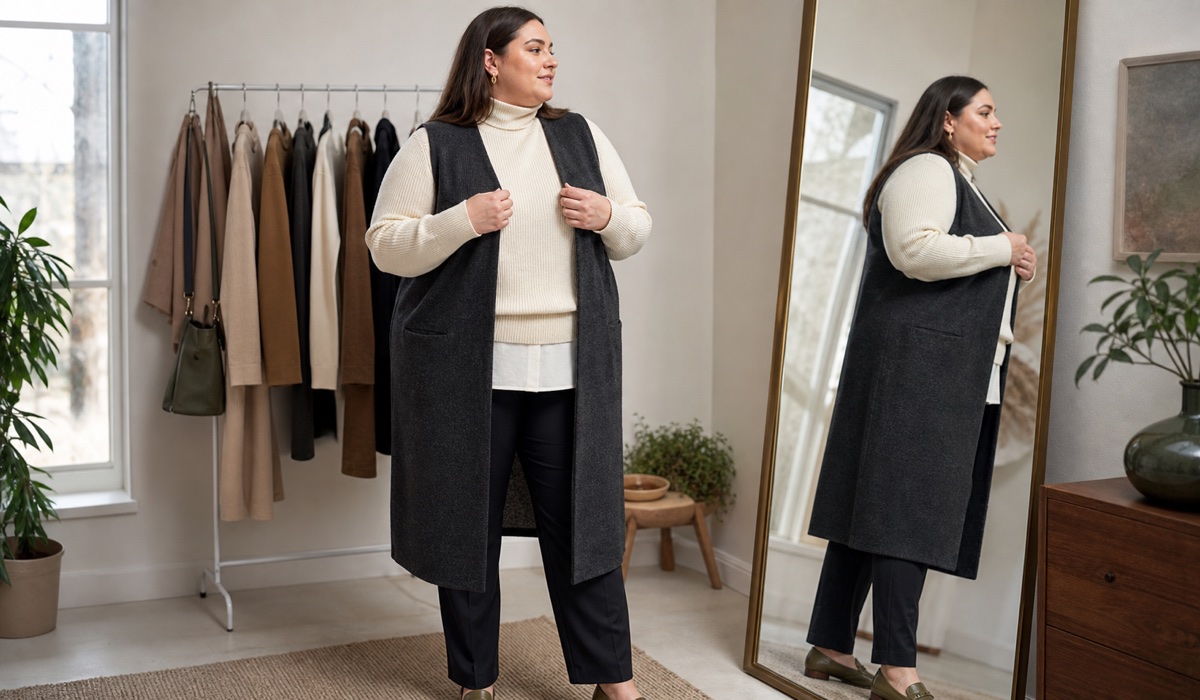
Längen und Texturen: Die offene Weste und der offene Saum des Hemdes verleihen dem Look Tiefe, ohne aufzutragen.
Fertige Looks für Herbst und Winter
Lässiger Urban-Look
Basic Langarmshirt, dünnes Hemd, weiche Strickjacke, gerader Mantel und Schal - ohne dicken Knoten. Vervollständigen Sie den Look mit schlichten Schuhen mit klarer Linienführung aus der Kategorie Damenschuhe.
Büro
Ein dünner Rollkragenpullover, eine Jacke, ein langer Mantel und dezente Accessoires. Wenn Sie Farbe ins Spiel bringen möchten, wählen Sie ein einzelnes Kleidungsstück oder eine Tasche aus der Kategorie Accessoires.
Warme Freizeit
Thermo-Unterwäsche, ein Kaschmirpullover, eine Daunenjacke mit Längsstreifen und ein locker fallender, weicher Schal. Lassen Sie sich bei der Zusammenstellung Ihres Outfits von den fertigen Looks im Lookbook inspirieren.
Gepflegte Freizeit
Ein schlichtes Top, Hemd, eine Weste oder ein dünner Pullover, ein Mantel mit Gürtel und eine Tasche als stilvolles Accessoire. Dieses Prinzip hilft dabei, bekannte Kleidungsstücke aus der Damenmode in großen Größen in verschiedene Outfits zu verwandeln.
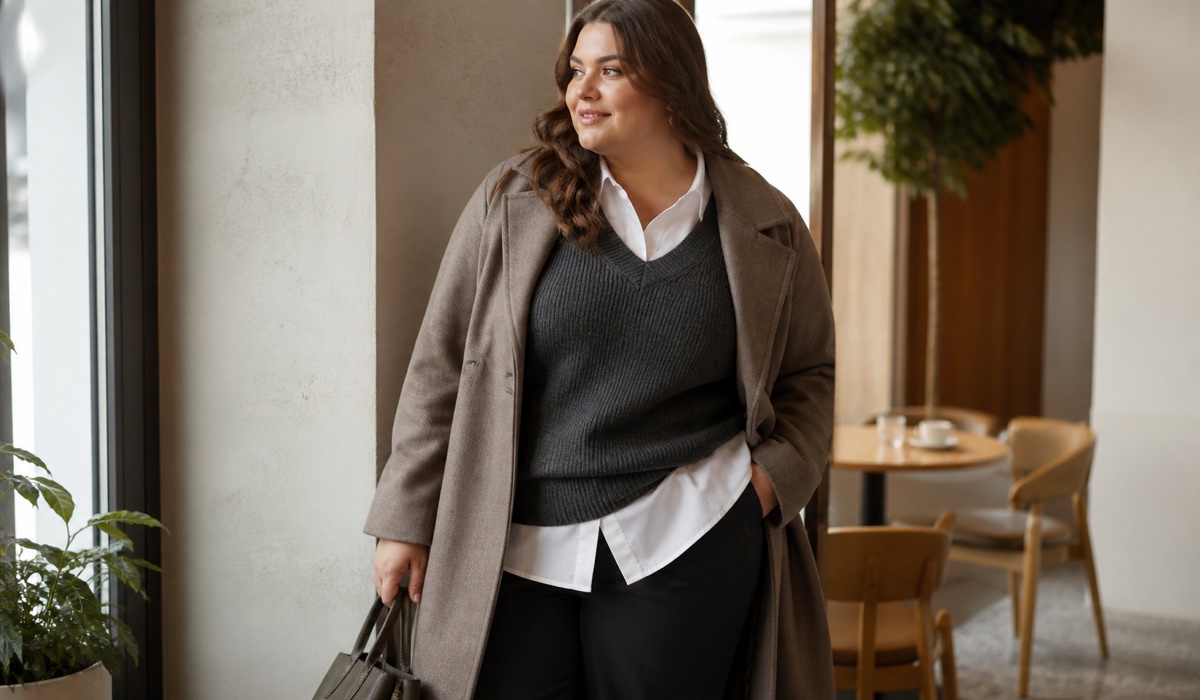
Capsule für die Saison: Eine neutrale Basisschicht und mehrere harmonierende Oberteile und Zwischenschichten ermöglichen vielfältige Looks, ohne Ihren Kleiderschrank zu überladen.
Schals, Hüte und häufige Fehler
Einen Schal trägt man am besten locker um den Hals oder teilweise in den Mantel gesteckt. Wählen Sie einen mittelschweren Schal und vermeiden Sie es, ihn über einem hohen Kragen oder einer Kapuze zu tragen. Betrachten Sie Damenaccessoires als ergänzende Elemente Ihres Looks, nicht als zusätzliche, sperrige Schicht.
Die häufigsten Fehler sind: ein zu dicker Pullover anstelle mehrerer leichter Teile, enge Schultern, gleich lange Lagen, zu viele Muster und Texturen sowie Oberbekleidung, die die darunterliegenden Lagen nicht hält. Probieren Sie das gesamte Outfit auf einmal an und bewegen Sie Ihre Hände ein paar Mal: Sie sollten sich wohlfühlen, nicht nur im Spiegel sehen.
Häufig gestellte Fragen
Kann ich Lagenlook tragen, wenn ich eine Plus-Size-Figur habe?
Ja. Eine schmale Basis, moderates Volumen und unterschiedliche Längen tragen zu einer ausgewogenen, wohlgeformten Silhouette bei.
Ist ein dicker Pullover besser als mehrere dünnere Lagen?
Mehrere dünne Lagen halten die Wärme in der Regel besser, lassen sich leichter anpassen und wirken weniger voluminös.
Wie kann man optisch schlanker wirken?
Setzen Sie auf vertikale Linien, ähnliche Farben, unterschiedliche Längen und strukturierte Oberbekleidung.