Wie man beim Online-Shopping die richtige Übergröße auswählt
Wie man beim Online-Shopping die richtige Übergröße auswählt
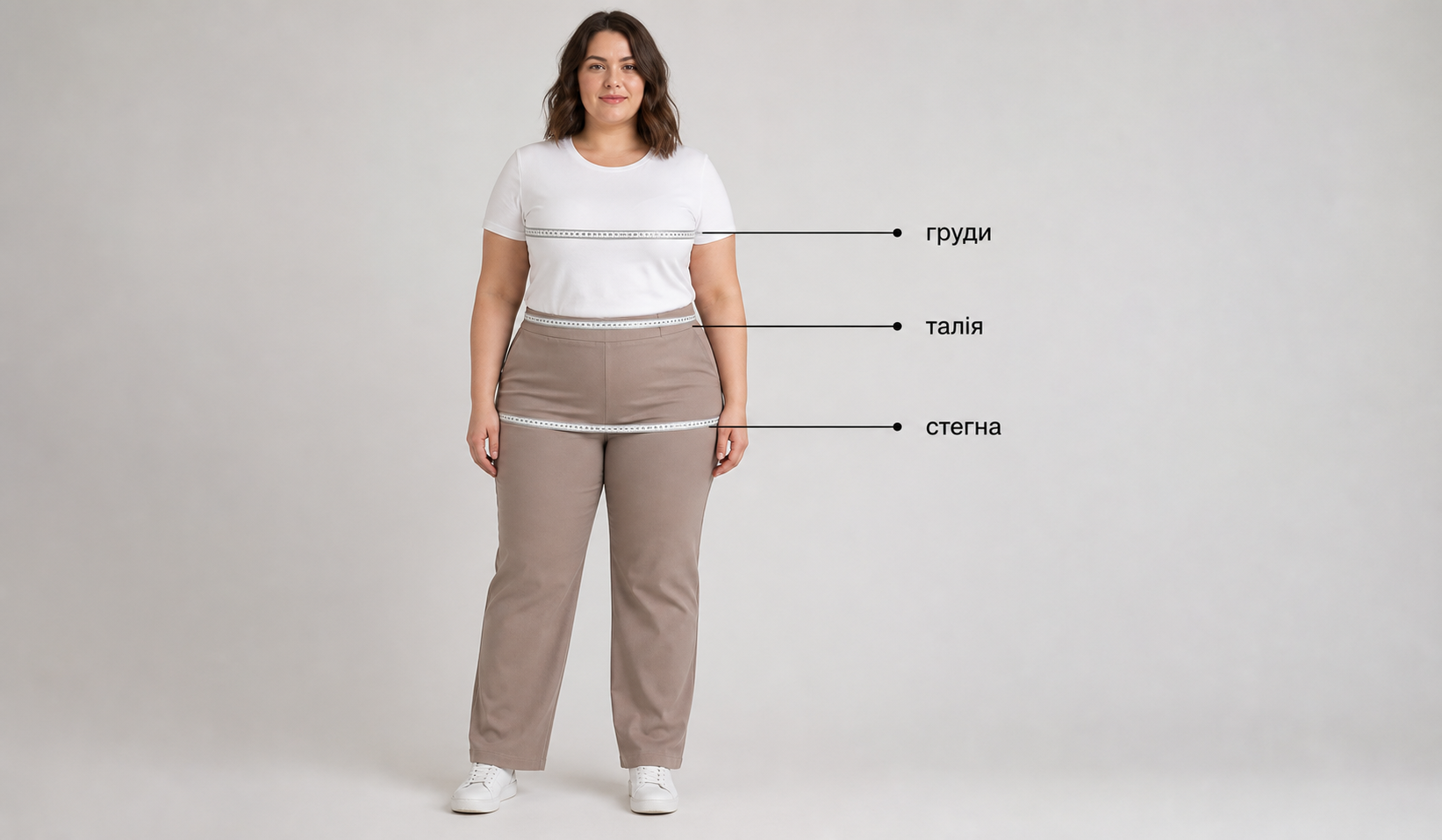
Die Wahl der richtigen Plus Size beim Online-Shopping beginnt nicht mit einer Größentabelle auf einer Website, sondern damit, dass Sie Ihre eigenen genauen Maße nehmen und verstehen, wie die Größentabellen verschiedener Marken funktionieren. In diesem Ratgeber erfahren Sie, wie Sie sich richtig vermessen, Größentabellen lesen, Stoffe und Schnitte berücksichtigen und das Risiko einer Fehlbestellung minimieren.
Warum es beim Online-Shopping für Plus-Size-Mode immer auf die Maße ankommt, nicht auf die Zahl auf dem Etikett
Material, Stil und Passform: Wie sie die Auswahl von Plus-Size-Kleidung beeinflussen
Selbst genaue Maße garantieren keine einheitliche Passform bei verschiedenen Modellen. Das Ergebnis hängt von der Materialzusammensetzung, dem Schnitt, der Länge und der gewünschten Passform ab.
Worauf Sie in einer Produktbeschreibung achten sollten
Materialzusammensetzung. Jersey, Stretch und Materialien mit Elastan passen sich der Figur besser an. Steifere Stoffe ohne Elastan erfordern eine präzisere Passform.
Stilart. Gerade Schnitte, A-Linien-Schnitte und Wickelkleider sind toleranter gegenüber kleinen Maßabweichungen. Figurbetonte und schmal geschnittene Kleidungsstücke erfordern mehr Präzision.
Länge. Bei Plus-Size-Kleidung können zu kurze Kleidungsstücke die Figur optisch verkürzen. Achten Sie auf Ihre Figur, also darauf, wo Ihr T-Shirt, Kleid, Ihre Jacke oder Ihre Strickjacke endet.
Passform. Das Kleidungsstück sollte Bewegungsfreiheit bieten, ohne an Brust, Bauch oder Hüften zu spannen oder zu ziehen.
Für eine alltagstaugliche Plus-Size-Garderobe eignen sich gerade geschnittene oder A-Linien-Kleider, Midikleider, Wickelröcke, leicht taillierte Hosen und Blusen ohne übermäßige Verzierungen im Brustbereich oft gut.
Praktische Tipps für den Online-Einkauf von Plus-Size-Mode
So minimieren Sie das Risiko einer Fehlbestellung
Aktualisieren Sie regelmäßig Ihre Maße. Die Maße vom letzten Jahr entsprechen möglicherweise nicht mehr der aktuellen Passform.
Speichern Sie Ihre Maße. Speichern Sie sie in den Notizen Ihres Smartphones, um sie schnell mit der Größe vergleichen zu können. Größentabelle.
Lesen Sie Bewertungen. Kundinnen und Kunden schreiben oft darüber, ob ein Artikel klein ausfällt, wie er bei einer breiten Oberweite oder ausgeprägten Hüften sitzt.
Wählen Sie Modelle, die speziell für große Größen entworfen wurden. Diese berücksichtigen die Proportionen einer kurvigeren Figur besser, als einfach nur einen Standardschnitt zu vergrößern.
Im Zweifelsfall wählen Sie ein Modell mit einem universelleren Schnitt: gerade Silhouette, A-Linie, Wickelkleid oder leicht tailliert.
Bei Problemzonen - wie einer großen Oberweite, ausgeprägten Hüften oder einem Unterschied zwischen Taille und Hüfte - ist es manchmal besser, eine größere Größe zu wählen und das Kleidungsstück gegebenenfalls beim Schneider anpassen zu lassen.
So wählen Sie die richtige Größe für ein bestimmtes Plus-Size-Kleidungsstück
Plus-Size-Kleider
Achten Sie auf Ihre Oberweite und Hüfte: Sie bestimmen oft die Passform eines Plus-Size-Kleidungsstücks. Kleid.
Wenn das Kleid aus nicht dehnbarem Stoff ist und Sie zwischen zwei Größen liegen, bestellen Sie die größere.
Gerade Schnitte, Midi-, A-Linien- und Wickelkleider sind praktisch für eine Basic-Garderobe.
Suchen Sie im Katalog nach Kleider in großen Größen mit einem klassischen Schnitt und vergleichen Sie immer die Größentabelle mit Ihren Brust-, Taillen- und Hüftmaßen.
Blusen, Hemden, T-Shirts
Die wichtigsten Maße sind Brustumfang und Schulterbreite.
Für große Größen eignet sich oft ein leicht taillierter Schnitt ohne große Taschen, voluminöse Rüschen oder unnötige Details im Brustbereich am besten.
T-Shirts sollten nicht zu eng sein. Eng anliegend, matt und von ausreichender Stoffdichte.
Für Alltagslooks eignen sich Basic-T-Shirts, Plus-Size-Shirts und -Blusen aus weichen, aber relativ dichten Stoffen: Sie sitzen besser und behalten ihre Form.
Hosen, Jeans, Röcke
Das wichtigste Maß für Hosen ist der Hüftumfang; Achten Sie auch auf Bundweite und Innenbeinlänge.
Hosen in großen Größen sind am besten mit einem leicht taillierten Schnitt und einer Knöchel- oder 7/8-Länge geeignet.
Midi-Röcke, A-Linien-Schnitte und Wickelröcke bieten eine gute Balance zwischen Komfort und Passform.
Für den Alltag sind Hosen in großen Größen, gut sitzende Jeans und Midi-Röcke eine gute Wahl. Orientieren Sie sich an Ihrem Hüft- und Taillenumfang und überprüfen Sie immer die Länge in der Artikelbeschreibung.
Fazit
Um online die richtige Größe in großen Größen zu finden, messen Sie zunächst Ihren Brust-, Taillen- und Hüftumfang sowie weitere Maße genau aus. Vergleichen Sie die Maße anschließend mit der Größentabelle der jeweiligen Marke und achten Sie dabei besonders auf den größten Umfang. Es ist ebenso wichtig, auf Stoff, Stil, Länge und die gewünschte Passform zu achten. Tragen Sie Kleidung in Ihrer Größe, nicht in zu kleiner oder zu großer: So erzielen Sie eine schöne Silhouette und fühlen sich in Ihrer Kleidung wohl und stilvoll.
Häufig gestellte Fragen
Welche Maße sind wichtig für die Auswahl von Plus-Size-Kleidung online?
Die wichtigsten Maße sind Brust-, Taillen- und Hüftumfang. Für Jacken, Mäntel, Hosen und Jeans sind Schulterbreite, Ärmellänge und Innenbeinlänge ebenfalls hilfreich.
Was mache ich, wenn meine Maße in verschiedene Größen fallen?
Konzentrieren Sie sich auf den größten Umfang, meistens Brust oder Hüfte. Dies ist besonders wichtig bei nicht dehnbarem Stoff. Bei Bedarf kann das Kleidungsstück im Atelier leicht angepasst werden.
Warum passt meine übliche Größe aus dem Laden nicht in Online-Shops?
Verschiedene Marken kennzeichnen Plus-Size-Größen unterschiedlich. Ein Buchstabe oder eine Zahl ohne Zentimeterangabe ist daher wenig aussagekräftig. Online ist es besser, sich an den Maßen und der Größentabelle der jeweiligen Marke zu orientieren.
Kann ich Plus-Size-Kleidung mit etwas Spielraum bestellen, also eine Nummer größer?
Bei nicht dehnbaren Stoffen ist das manchmal angebracht, wenn Sie zwischen zwei Größen liegen. Eine zu große Größe trägt jedoch oft auf. Bestellen Sie daher am besten Ihre Größe anhand Ihrer Maße und wählen Sie eine bequeme Passform.
Woran erkenne ich, ob ein Kleidungsstück dehnbar ist?
Überprüfen Sie die Materialzusammensetzung in der Beschreibung. Das Vorhandensein von Elastan, Spandex oder Dehnungsstreifen bedeutet, dass das Kleidungsstück dehnbar ist. Bei Plus-Size-Kleidung sollten Sie jedoch etwas Spielraum einplanen. ... Wenn Sie sich noch unsicher sind, wählen Sie universelle Modelle und solche, die Rückgabe oder Umtausch ermöglichen.
 sowie die entsprechenden Maße für Brust, Taille und Hüfte an. Manchmal werden auch die Produktlänge, Ärmellänge, Schulterbreite oder andere spezifische Maße hinzugefügt. Modelle. ol li Notieren Sie Ihre aktuellen Maße für Brust, Taille und Hüfte. li Suchen Sie in der Tabelle den Bereich, in dem jedes Maß liegt. li Wählen Sie die Größe, die Ihrem größten Umfang entspricht: meistens ist das Ihre Brust oder Hüfte. li Wenn Sie zwischen zwei Größen liegen, berücksichtigen Sie Stoff, Stil und die gewünschte Passform. ol p Bei nicht dehnbarem Stoff - Anzugstoff, Hemdenstoff oder schwerer Baumwolle ohne Elastan - wählen Sie besser die größere Größe und vermeiden Sie zu enge Passform. Bei Strickwaren oder elastischen Materialien können Sie eine Nummer kleiner wählen, aber ohne zu große Passform. Passform.</p> Wenn die Größentabellen verschiedener Marken nicht übereinstimmen, orientieren Sie sich an den Zentimeterangaben, nicht an der Größenbezeichnung. Eine Marke kann eine bestimmte Größe als XL, eine andere als 2XL bezeichnen. Daher ist die Größenangabe ohne Größentabelle nicht verlässlich.</p> <h2 id=) Material, Stil und Passform: Wie sie die Auswahl von Plus-Size-Kleidung beeinflussen
Material, Stil und Passform: Wie sie die Auswahl von Plus-Size-Kleidung beeinflussen